
Introduction
Terry cloth is one of those fabrics most people recognize instantly, even if they don’t know its name. It’s soft, slightly textured, and usually linked with comfort, cleanliness, and everyday routines. From drying off after a shower to wrapping a baby in a warm towel, terry cloth plays a quiet but important role in daily life. Its popularity isn’t accidental—it’s built around practicality, comfort, and reliability, which is why it has remained a household favorite for generations.
What Terry Cloth Actually Is
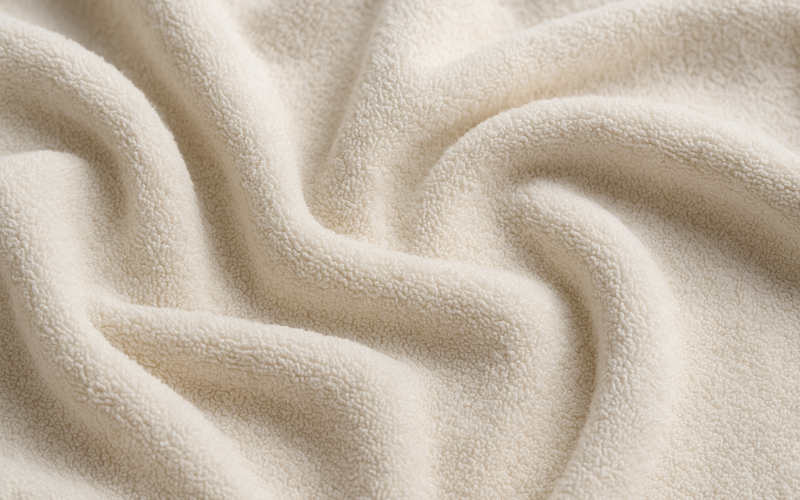
Terry cloth is a type of fabric known for its soft surface and excellent ability to absorb moisture. Unlike smooth fabrics, terry cloth has a slightly raised texture that feels plush and comforting to the touch. This texture is created through tiny loops of yarn woven into the fabric, which give terry cloth its signature look and feel.
At its core, terry cloth is designed for one main purpose: to soak up water. That’s why it’s most commonly associated with towels and bath-related products. However, its softness also makes it suitable for clothing, baby items, and even casual home wear. While it may look simple, terry cloth is carefully constructed to balance durability with comfort.
The Looped Fabric Design That Makes It Unique
The defining feature of terry cloth is its looped structure. These loops can appear on one side of the fabric or on both sides, depending on how it’s made. The loops increase the surface area of the fabric, which allows it to absorb much more moisture than flat fabrics.
Flat fabrics, like plain cotton sheets, rely only on the fibers themselves to absorb water. Terry cloth, on the other hand, uses both the fibers and the air spaces created by the loops. This design is what gives terry cloth its sponge-like quality while still feeling soft against the skin.
How Terry Cloth Is Made
The process of making terry cloth starts with weaving. During weaving, extra yarn is introduced to create loops that rise above the base fabric. These loops are not accidental—they are carefully controlled to ensure even thickness and consistent absorbency across the fabric.
Once woven, the fabric goes through finishing steps such as washing, trimming, and sometimes brushing. These steps help soften the material and remove loose fibers. The goal is to produce terry cloth that feels gentle, performs well, and holds up to repeated use and washing.
While modern machines handle most of this process today, the basic idea behind terry cloth production hasn’t changed much over time. It’s a method refined through experience, focused on creating a fabric that does its job well without unnecessary complexity.
Why Terry Cloth Is So Absorbent
The absorbency of terry cloth comes from its structure rather than any special coating or treatment. The loops act like tiny pockets that trap and hold moisture. When you press terry cloth against wet skin or a wet surface, water moves into these loops and stays there until the fabric dries.
This absorbent quality is especially useful in situations where quick drying matters, such as after bathing or swimming. It also makes terry cloth comfortable, as it pulls moisture away from the skin instead of letting it sit on the surface.
Over time, well-made terry cloth becomes even more absorbent, as washing opens up the fibers slightly. This is one reason people often find that new towels improve after a few washes.
Cotton vs Blended Terry Cloth Materials
Traditional terry cloth is made from cotton, which is naturally absorbent and breathable. Cotton terry cloth feels soft, works well for sensitive skin, and performs reliably in everyday use. However, some terry cloth fabrics are made using blends that combine cotton with synthetic fibers.
Blended terry cloth can offer added durability and quicker drying times. While it may not feel quite as plush as pure cotton, it often resists wear and shrinking better. The choice between cotton and blended terry cloth usually depends on how the fabric will be used and how often it will be washed.
Common Uses of Terry Cloth in Everyday Products
Most people encounter terry cloth in towels, but its use goes far beyond that. Bathrobes, washcloths, and spa items often rely on terry cloth because it provides warmth while absorbing moisture. In homes with children, terry cloth is commonly used for baby towels and soft cleaning cloths due to its gentle feel.
Terry cloth also appears in casual clothing, such as loungewear and sports-inspired pieces. In these cases, the fabric offers comfort and light moisture control, making it suitable for relaxed, at-home settings. Its versatility allows it to move easily between practical and comfort-focused uses without losing its core benefits.
Terry Cloth vs Other Fabrics
When compared to other absorbent fabrics, terry cloth stands out for its balance of softness and performance. Microfiber, for example, is extremely absorbent and dries quickly, but it often feels more synthetic and less breathable. Waffle weave fabrics are lighter and dry faster but usually don’t provide the same plush feel as terry cloth.
Terry cloth offers a middle ground. It absorbs moisture efficiently while maintaining a natural, comfortable texture. This makes it especially appealing for personal use, where comfort matters just as much as function.
When Terry Cloth Is the Better Choice
Terry cloth is the better option when comfort, warmth, and skin contact are important. For bathing, lounging, or baby care, terry cloth provides a reassuring softness that many other fabrics can’t match. It’s also ideal in cooler environments, where its thicker texture adds a sense of warmth without feeling heavy.
How to Care for Terry Cloth Properly
Caring for terry cloth is simple, but a few good habits can help it last longer. Washing terry cloth in warm water with mild detergent helps maintain softness while removing residue. Avoid using too much fabric softener, as it can coat the fibers and reduce absorbency over time.
Drying terry cloth on a moderate setting is usually best. High heat can weaken the fibers and cause unnecessary wear. Shaking towels before drying can help keep the loops from flattening and maintain their fluffy texture.
With proper care, terry cloth products can stay soft and effective for years, making them a reliable choice for everyday use.
Is Terry Cloth Right for Your Needs?
Terry cloth is a great choice when absorbency and comfort are priorities. If you want a fabric that feels gentle, works well with water, and holds up to regular use, terry cloth fits naturally into that role. It’s especially well-suited for bathrooms, spas, and relaxed home environments.
However, if quick drying or ultra-lightweight material is more important, other fabrics may be a better match. Understanding how and where you plan to use the fabric makes it easier to decide whether terry cloth is the right option.
Conclusion
Terry cloth has earned its place as a staple fabric because it does exactly what people expect it to do. It absorbs moisture, feels comfortable, and holds up well over time. Whether used in towels, clothing, or home essentials, terry cloth continues to meet everyday needs without complication. By understanding what terry cloth is and how it works, it becomes easier to appreciate why this familiar fabric remains so widely used and trusted.
FAQs
1. What is terry cloth made of?
Terry cloth is most commonly made from cotton, though some versions use blended fibers for added durability or faster drying.
2. Is terry cloth 100% cotton or blended?
It can be either. Traditional terry cloth is often 100% cotton, while blended versions combine cotton with synthetic fibers.
3. Does terry cloth shrink after washing?
Some shrinking can happen, especially with pure cotton terry cloth, but proper washing and drying help minimize this.
4. What’s the difference between terry cloth and towel fabric?
Most towel fabric is terry cloth. The term “towel fabric” usually refers to how the material is used, while “terry cloth” describes the fabric structure itself.
