
Introduction
Puglia, the long sun-soaked region forming the heel of Italy’s boot, is a place where everyday life moves at a gentle pace. It is known for its whitewashed villages, long Adriatic beaches, endless olive groves, and deep, ancient culture that stretches back thousands of years. When travelers talk about discovering “the real Italy,” more and more of them point toward puglia.
What makes this region special is its balance of beauty and authenticity. Instead of overdeveloped resort strips or crowded city centers, you’ll find quiet countryside roads, small family-owned restaurants, historic coastal towns, and landscapes untouched for centuries. People come to puglia for slow tourism—meaning they want to connect with local traditions, enjoy simple but incredible food, and explore places that feel natural rather than commercial. Others arrive for the architecture, beaches, dramatic sea cliffs, and the diverse scenery that changes as you move from north to south.
This guide walks you through everything you need to know about puglia. You’ll learn what the region is, where to go, what to eat, how the seasons feel, and how to plan a smooth and enjoyable trip. Whether you’re dreaming of trulli houses, sandy beaches, or warm cultural experiences, this article will help you understand puglia from a traveler’s perspective.
What Is Puglia? Understanding Italy’s Southern Gem
Puglia is a large region in southern Italy bordered by two seas: the Adriatic Sea on the east and the Ionian Sea on the southwest. Because of this unique location, its coastline is one of the longest in Italy, offering both dramatic cliffs and calm sandy beaches. The region has a warm Mediterranean climate, making it attractive almost all year long.
The history of puglia stretches back to ancient times, influenced by many different cultures including the Greeks, Romans, Byzantines, Normans, and Spanish. These influences show up in the architecture, food, festivals, and even the layout of small towns. In places like Lecce, Monopoli, and Otranto, you can see layers of these civilizations still present today.
Puglia includes six main provinces: Bari, Lecce, Brindisi, Taranto, Foggia, and Barletta-Andria-Trani (BAT). Each has its own character. Bari is a lively port city with a charming old town. Lecce is known for its baroque beauty. Brindisi is another gateway to the sea. Taranto blends ancient and modern culture. Foggia offers rural landscapes and natural parks, while BAT includes unique towns and seaside views. Together, these provinces form a region that feels diverse, welcoming, and easy to explore.
What truly makes puglia stand out is its affordability, authenticity, and warm culture. Compared to more famous Italian regions, it offers exceptional value—whether you’re dining, booking a hotel, or exploring historic sites. Locals are friendly and proud of their traditions, and the region’s sunny climate adds another layer of charm to daily life.
Best Places to Visit in Puglia (From Hill Towns to Seaside Cities)
One of the joys of traveling through puglia is the variety of destinations packed into one region. Valle d’Itria is the heart of inland puglia and is famous for its trulli houses—round stone homes with pointed roofs. Alberobello is the most iconic example of these fairy-tale structures, while Locorotondo and Cisternino remain quieter hill towns with whitewashed streets and peaceful views. Martina Franca adds elegance and music traditions to the area, making this part of puglia ideal for travelers who love history, architecture, and rural landscapes.
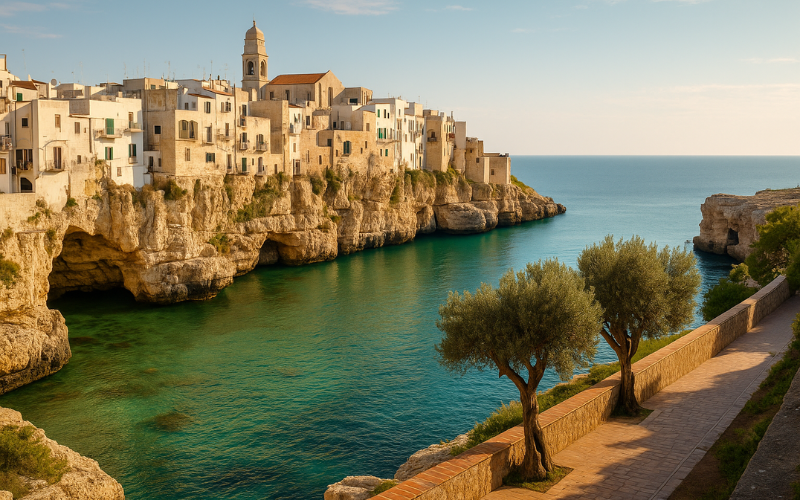
Along the coast, the atmosphere changes completely. Bari is a mix of old and new, where grand boulevards lead you to narrow alleys filled with families making fresh pasta by hand. Polignano a Mare, perched on a cliff above crystal-blue water, is known for its dramatic beauty. Monopoli feels more relaxed, with fishing boats lining the harbor and sandy beaches within easy reach. Further south, Otranto blends cultural history with seaside charm, while Gallipoli is known for its sunsets and lively summer atmosphere.
The baroque city of Lecce is often called the “Florence of the South” because of its elegant stone buildings carved in warm golden tones. Nardò, nearby, offers similar beauty but with a quieter vibe, making it perfect for travelers who want art and architecture without crowds.
Northern puglia looks and feels different from the rest of the region. Vieste, on the Gargano Peninsula, rises above turquoise bays and hidden beaches. Gargano National Park offers hiking trails, forests, and scenic drives. For something even more remote, the Tremiti Islands provide swimming, diving, and untouched nature.
Choosing where to go depends on your travel style. Couples often prefer romantic hill towns or quiet beaches. Families may enjoy sandy coastlines and walkable towns like Monopoli. Budget travelers love inland areas and smaller villages. Road trippers can enjoy the entire length of the region, discovering a new landscape every few hours.
Puglia Beaches & Coastlines: The Best Spots on the Adriatic & Ionian Seas
Puglia’s coastline is long and varied. On the Adriatic side, the water is often deep and clear, with dramatic cliffs and coves offering some of the region’s most picturesque swimming spots. Polignano a Mare is famous for its cliffside views and pebble beaches, while Monopoli offers both coves and sandy stretches. Otranto combines medieval city walls with bays where the water turns bright blue.
The Ionian coast is different. Here, the beaches are softer and more tropical in appearance, with long stretches of white sand and shallow water. Gallipoli is known for its beach clubs and energetic summer atmosphere, while Pescoluse is often called the “Maldives of Italy” because of its gentle, calm waters. Santa Maria di Leuca, located at the very tip of the heel, offers a mix of rock platforms, caves, and beautiful views where the two seas meet.
Families often choose the Ionian side for its shallow water and easy access, while adventure seekers prefer the Adriatic cliffs and hidden coves. Both coasts offer something unique, making puglia an ideal location for beach lovers of all kinds.
Beach etiquette in puglia is simple. Many beaches offer lidos—managed areas where you can rent umbrellas and sunbeds. They cost more but offer comfort and bathrooms. Public beaches are free, but arriving early helps you secure a good spot, especially in summer. No matter which type you choose, respecting the natural environment is important, as locals take pride in keeping their coastlines clean.
Food, Wine & Local Traditions: The Heart of Puglia’s Culture
Food is one of the biggest reasons people fall in love with puglia. The region’s dishes are simple but filled with flavor, often made from local ingredients grown just a few kilometers away. A bowl of orecchiette pasta with turnip greens is a classic meal, especially in Bari. Burrata, originally from Andria, is another beloved product—soft, creamy, and perfect with fresh tomatoes. Puglia’s coastline provides an endless supply of seafood, including frutti di mare dishes that feel both rich and refreshing. Bombette, small meat rolls cooked over charcoal, are a favorite in the Valle d’Itria. Taralli, crispy bread rings, are served everywhere from bars to markets.
Puglia’s wine traditions are equally strong. The region is home to well-known varieties such as Primitivo and Negroamaro, along with fresh rosato wines that pair beautifully with the local climate and cuisine. Many wineries welcome visitors for tastings, giving travelers a chance to learn about the region’s soil, grapes, and production methods.
Olive oil is another symbol of puglia. The region is covered with millions of ancient olive trees—some more than a thousand years old. Visiting a frantoio, or olive mill, offers a chance to see how extra virgin olive oil is produced and to taste it in its purest form.
Staying in a masseria, a traditional countryside farmhouse, is a unique and memorable experience. Many masserie have been restored into boutique hotels while still maintaining their agricultural roots. Guests can enjoy homemade breakfasts, peaceful landscapes, and authentic hospitality that reflects the warm culture of puglia.
When to Visit Puglia: Weather, Seasons & Best Timing for Your Trip
Puglia has a classic Mediterranean climate with hot, dry summers and mild winters. Spring is one of the best seasons to visit because the weather is pleasant, landscapes are green, and towns feel lively without being crowded. It’s a great time for sightseeing, photography, and road trips.
Summer is the most popular season for beach lovers. The sea is warm, festivals fill the streets, and the days are long and sunny. However, prices rise during this season, and some beaches become busy, especially in August.
Autumn brings warm seas, quieter beaches, and the region’s harvest season. Many travelers choose September and October because they offer a perfect balance of good weather and relaxed crowds. This is also a wonderful time for food tourism and wine tastings.
Winter is the quietest season in puglia. Some coastal areas slow down, but cities like Bari and Lecce remain active. Winter is ideal for cultural sightseeing, budget travel, and enjoying the region without rush.
The best timing depends on your goals. For beaches, late June through September is perfect. For photography and sightseeing, spring and autumn offer ideal lighting and comfortable temperatures. For food lovers, harvest season adds extra excitement to the trip.
How to Plan Your Puglia Trip (Transport, Stay & Budget Tips)
Traveling to puglia is easy, thanks to two major airports: Bari and Brindisi. Direct flights from several European cities arrive here, and travelers from Rome or Naples can reach puglia by train. The region is well connected, making it suitable for both short breaks and longer vacations.
Some visitors wonder if they need a car. While it’s possible to explore puglia using trains and buses, especially between major towns, renting a car offers more freedom. Many of the region’s best beaches, countryside masserie, and small hill towns are easier to reach with your own vehicle.
Choosing where to stay depends on your interests. Valle d’Itria is ideal for rural charm and trulli experiences. Monopoli and Polignano a Mare provide easy coastal access and vibrant evening scenes. Lecce makes a beautiful base for exploring southern Salento, with its baroque architecture and central location.
Budget planning in puglia is straightforward. Accommodation ranges from affordable guesthouses to luxury masserie. Dining is generally cheaper than in northern Italy, and even high-quality restaurants offer fair prices. Beach clubs vary—some charge modest fees, while others are more expensive during peak season. Additional costs such as tolls and parking are easy to manage if you plan ahead.
Ideal Puglia Itineraries (3, 5 & 7+ Days)
How long you need in puglia depends on your travel style. A short three-day trip is enough to explore Bari, Polignano a Mare, and Monopoli. This itinerary offers a combination of city culture, seaside views, and historic charm.
Five days allow you to dive into Valle d’Itria. You can stay near Alberobello or Locorotondo and explore Martina Franca and Cisternino, adding a coastal day trip for balance. This type of itinerary blends inland beauty with seaside relaxation.
A longer stay of seven to ten days provides the fullest experience. You can explore Valle d’Itria, continue south to Lecce, and finish in Otranto or the Salento beaches. This route covers the region’s most iconic hill towns and coastlines, giving you a real sense of Puglia’s geographic and cultural diversity.
If you return to puglia, consider exploring northern areas such as the Gargano peninsula or the Tremiti Islands. Towns like Mesagne and Nardò also offer charming atmospheres and fewer crowds.
Conclusion
Puglia stands out as one of Italy’s most diverse and welcoming regions. Its coastline stretches across two seas, its villages blend ancient and modern traditions, and its food culture reflects centuries of passion and craftsmanship. The relaxed lifestyle allows visitors to slow down, explore new tastes, and enjoy experiences that feel natural and meaningful.
Whether you are a family seeking calm beaches, a couple searching for romantic scenery, a foodie exploring regional flavors, or a traveler who simply loves discovering new corners of Italy, puglia offers something special. Building a personalized itinerary is easy because every part of the region feels rewarding in its own way. Puglia continues to capture hearts, not because it tries to impress, but because it remains true to itself—warm, authentic, and endlessly inviting.
FAQs
1. Where is Puglia located in Italy?
Puglia is in southeastern Italy and forms the “heel” of the country’s boot shape. It is bordered by the Adriatic and Ionian seas.
2. How many days do you need to explore Puglia?
You can enjoy a quick visit in three or four days, but a complete experience usually takes seven to ten days.
3. Do you need a car to travel around Puglia?
A car is helpful but not required. Public transport works well between major towns, but rural and coastal areas are easier to reach by car.
4. When is the best time to visit Puglia?
Late spring and early autumn are ideal because the weather is comfortable and the crowds are lighter.
5. Is Puglia expensive compared to other Italian destinations?
Puglia is generally more affordable than regions like Tuscany or the Amalfi Coast. Food, hotels, and daily expenses offer great value.
