
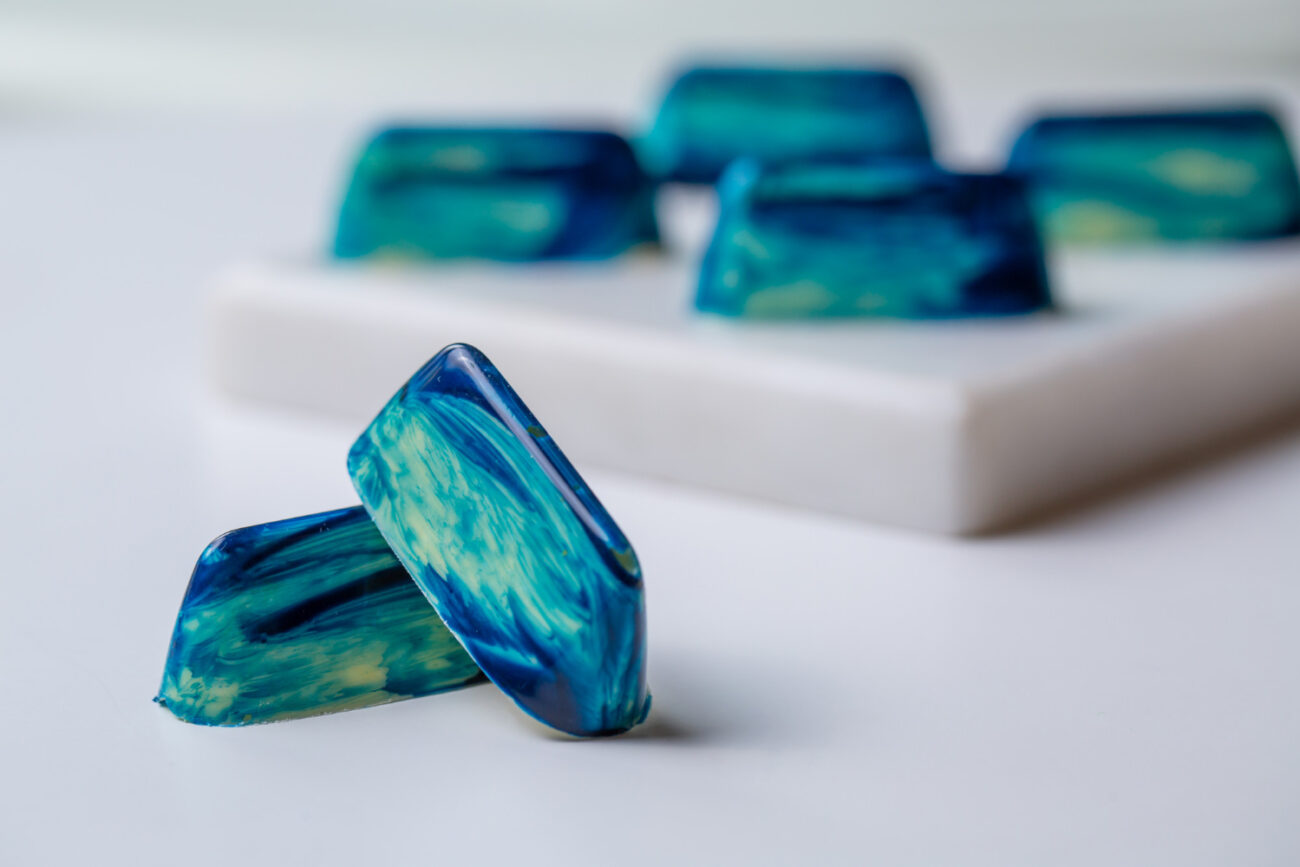
The March birthstone is a gem that seems to hold a piece of the ocean within it. Known as aquamarine, this stone glimmers with serene blue hues and a sense of calm that perfectly fits the month when winter fades and spring emerges. Birthstones have held meaning for centuries, believed to bring luck, protection, and personal significance to those born in each month. For people born in March, aquamarine symbolizes renewal, clarity, and peace — the very qualities that come to life as the world wakes from its winter slumber.
Aquamarine takes its name from the Latin words aqua (water) and marina (of the sea). Just as the sea reflects light and depth, this birthstone is known for its clarity and tranquil energy. Beyond its beauty, aquamarine has a long and fascinating story, traveling across history, culture, and even folklore. Whether worn for style or symbolism, the March birthstone continues to shine as one of the most beloved gemstones in the world.
The Meaning and Symbolism Behind the March Birthstone
Aquamarine is often considered the stone of calm and courage. Its gentle blue color embodies serenity, and throughout history, people have viewed it as a source of comfort and emotional balance. The March birthstone has been linked to the sea — a mirror of life itself, ever-changing yet steady. Many believe aquamarine helps clear the mind, encourage honest communication, and inspire truth in relationships.
Sailors in ancient times carried aquamarine as a charm to protect them on long voyages, trusting it to calm stormy seas and safeguard them from harm. Over time, this idea of protection extended beyond the ocean, becoming a symbol of inner peace and emotional clarity. The stone is also said to bring harmony to marriages, helping partners remain calm and understanding. Whether these beliefs hold mystical truth or simply poetic beauty, aquamarine continues to represent tranquility, sincerity, and renewal — perfect traits for anyone celebrating a March birthday.
The History and Origins of Aquamarine
The story of aquamarine stretches back thousands of years. Ancient civilizations admired its clear, ocean-like color and often used it in jewelry, amulets, and ceremonial decorations. The Romans believed the March birthstone could absorb the power of the sea goddess, bringing them protection and a safe return from journeys. Greek sailors also carried aquamarine amulets, trusting the gem to calm Poseidon’s temper.
In the Middle Ages, aquamarine was thought to be a powerful antidote to poison and a way to reveal truth in disputes. It was often given as a gift between friends to symbolize lasting loyalty. Its connection to March likely emerged from its color — the blue-green of aquamarine matching the cleansing rains and budding life of early spring. Over centuries, it became an official birthstone for March, recognized not only for its beauty but for its deep-rooted symbolism of renewal and tranquility.
The Science and Characteristics of Aquamarine
Beyond its captivating look, aquamarine has fascinating scientific qualities. It’s a variety of the mineral beryl, the same family that includes emerald, but with a lighter, more transparent hue. The stone owes its blue-to-green color to traces of iron within the crystal. Depending on the level of iron, the color may range from a pale, icy blue to a deep ocean tone — the deeper the color, the more valuable the stone.
Aquamarine is known for its clarity and shine. Unlike some gemstones, it rarely contains many noticeable inclusions, giving it a bright, glasslike quality. It also rates between 7.5 and 8 on the Mohs hardness scale, which means it’s durable enough for everyday jewelry yet gentle enough to retain a soft elegance. Advanced gemstone cutting techniques enhance its brilliance, letting light dance through the stone and mimic sunlight passing through clear water — fitting for the March birthstone and its connection to purity and serenity.
Where Aquamarine Is Found Around the World?
Aquamarine can be found in several parts of the world, but some regions are particularly renowned for producing outstanding gems. Brazil is one of the most famous sources, known for its large, beautifully colored crystals that display the clear, sky-blue shade associated with high-quality aquamarine. Other important sources include Nigeria, Madagascar, Pakistan, and Mozambique, each yielding stones with slightly different hues and qualities.
In the mountains of Pakistan and Afghanistan, aquamarine forms in rugged geological settings, producing gems of exceptional clarity. African deposits often display richer green-blue tones, offering a different but equally charming look. No matter the origin, each aquamarine reflects a piece of Earth’s natural artistry and the quiet strength that makes this gem a lasting favorite.
Popular Aquamarine Jewelry Styles
The beauty of aquamarine makes it incredibly versatile in jewelry. Its clarity and brightness complement both gold and silver settings, allowing the March birthstone to pair effortlessly with modern and classic styles alike. Rings featuring large aquamarine stones often become statement pieces, while delicate pendants and stud earrings highlight its crystal-clear glow.
Jewelry designers love to experiment with cuts that enhance aquamarine’s unique sparkle — from emerald and pear shapes to oval and cushion cuts. Aquamarine engagement rings have also become increasingly popular thanks to the gemstone’s symbolism of calm love and honesty. Whether it’s worn as an heirloom piece or an everyday favorite, aquamarine jewelry reflects both beauty and meaning, capturing the gentle energy of spring with every shimmer.
Caring for and Maintaining Your March Birthstone
With proper care, aquamarine jewelry can maintain its brilliance for decades. Because it’s a relatively durable gemstone, it won’t scratch easily, but it’s still wise to store it separately from other jewelry to prevent minor abrasions. Cleaning aquamarine is simple — warm water, mild soap, and a soft cloth are all you need. Avoid harsh chemicals or ultrasonic cleaners, which could affect the stone’s natural luster.
Over time, aquamarine may fade slightly if exposed to strong sunlight for prolonged periods. Keeping it in a shaded, cool place when not in use helps preserve its fresh color. With these easy steps, the March birthstone can stay as clear and captivating as the day it was set, continuing to embody calm and clarity every time it’s worn.
Alternative Stones for March Birthdays
Although aquamarine is the traditional and most recognized March birthstone, there are a few modern alternatives that also hold appeal. One of these is bloodstone, a darker, earthier gem known for its deep green body and flecks of red. In ancient times, bloodstone was believed to promote courage and strength — a dynamic contrast to aquamarine’s soothing energy.
Another alternative that occasionally appears in modern jewelry is blue topaz, which resembles aquamarine in color but with a slightly different sparkle. While each stone carries distinct symbolism and look, aquamarine remains the gemstone most deeply tied to March’s personality: balanced, hopeful, and bright.
The Enduring Charm of the March Birthstone
The March birthstone continues to captivate with its gentle radiance and timeless beauty. Aquamarine captures the spirit of spring — the season of renewal, light, and fresh beginnings. Its calming blue tones bring a sense of stillness, while its long history connects it to courage, travel, and truth. From ancient legends to contemporary jewelry, aquamarine has kept its place as a symbol of emotional clarity and peaceful strength.
Whether chosen for its meaning, its ocean-like hues, or its simple elegance, aquamarine’s charm never fades. It reminds us that, like the shifting sea or the arrival of spring, change can be beautiful and calm can be powerful. For those born in March, this gemstone isn’t just a birthstone — it’s a reflection of everything that makes the month itself so bright, balanced, and full of life.
