
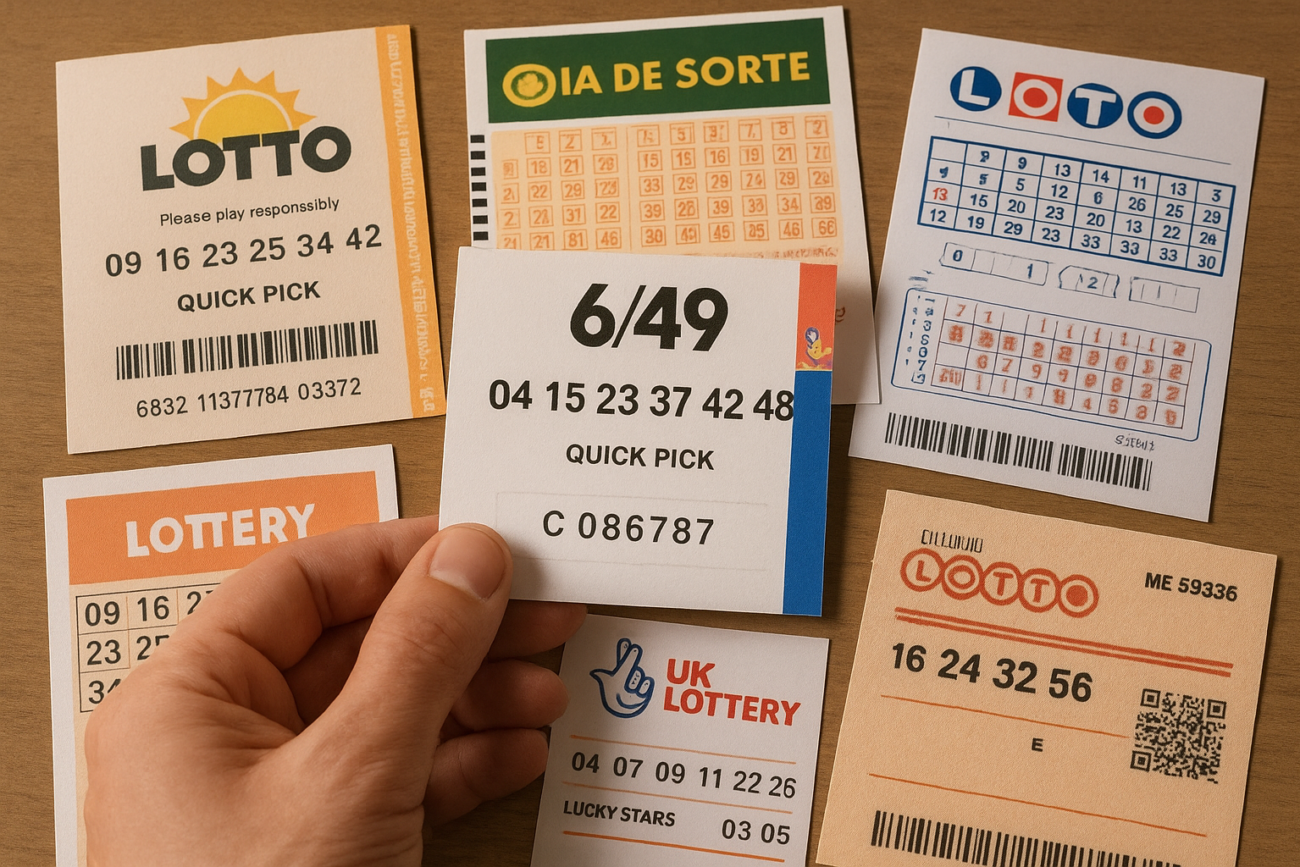
Lotology is the study and collection of lottery tickets — a unique hobby that combines history, design, and the thrill of chance. For many enthusiasts, it’s more than just gathering old tickets; it’s about preserving small pieces of cultural and artistic history. Each ticket tells a story of hope, luck, and human fascination with fortune.
While some people see a lottery ticket as a fleeting moment of chance, lotologists view it as a miniature time capsule. The colors, typography, and printing styles reflect a particular era and region. Whether it’s a vintage paper ticket from decades ago or a modern digital design, lotology bridges the gap between art, culture, and the enduring human dream of winning big.
This growing passion has transformed into a niche yet globally respected field of collecting — one that celebrates both history and imagination.
The Origins of Lotology and How It Began
The roots of lotology can be traced back to the early days of public lotteries in the 15th and 16th centuries, when tickets were first printed as physical proof of entry. Over time, as national and regional lotteries spread across Europe, Asia, and the Americas, these printed tickets became more elaborate and visually distinctive.
In the 20th century, when lotteries became legal and popularized again after decades of bans in many countries, collectors began to preserve tickets not just as potential winnings but as keepsakes. These early lotologists often started with personal souvenirs — a winning ticket, a commemorative design, or an unusual printing error. Gradually, communities formed around this interest, especially in Europe and Japan, where philately (stamp collecting) had already paved the way for similar hobbies.
By the late 1900s, lotology had gained recognition as a legitimate form of collecting. Enthusiasts began cataloging tickets, studying printing variations, and even publishing guides. What started as a casual pastime evolved into a historical and cultural exploration.
What Makes Lotology Different from Regular Collecting?
Unlike stamp or coin collecting, lotology stands out for its connection to human emotion and luck. Every lottery ticket carries a story — not only of design or rarity but also of dreams and anticipation.
Lotology blends visual artistry with historical context. The focus is not only on how rare a ticket is but also on the period it represents. Some tickets feature national symbols, while others highlight local traditions, major events, or artistic movements. A lotologist studies these elements carefully, often examining paper quality, ink colors, serial numbers, and printing techniques to trace authenticity and history.
This emotional depth — the intersection of art, luck, and memory — is what truly separates lotology from other forms of collecting.
Types of Lottery Tickets That Attract Lotologists
Within the world of lotology, collectors often specialize in particular ticket types. Each category offers something unique — whether it’s historical value, design beauty, or the thrill of uncovering a rare find.
- Vintage Paper Lottery Tickets are among the most treasured. These old, pre-digital tickets were often hand-printed with distinctive typography and artwork that reflect the aesthetic sensibilities of their time.
- Scratch-Off Tickets have become collectible for their vibrant designs and creative themes. Limited-edition scratchers, especially those tied to holidays or pop culture, hold special appeal.
- Unclaimed Winning Tickets add an element of mystery. Though they can’t be redeemed, their backstory and rarity make them fascinating pieces in any collection.
- Misprinted or Error Tickets are prized for their imperfections. Just like a coin struck incorrectly, these tickets gain value due to their production mistakes.
- Commemorative or Special Edition Tickets are issued to mark events like national anniversaries or sports tournaments. They serve as artistic reflections of cultural pride.
- International Lottery Tickets open a window into global diversity. Lotologists often admire the artistic and linguistic differences found in tickets from countries such as Japan, Italy, or Brazil.
- Early Computer-Generated Tickets are particularly valuable to those studying the transition from manual to digital printing systems — a key moment in lottery history.
- Charity or Fundraising Lottery Tickets hold emotional significance because they combine art, social purpose, and storytelling.
- Limited-Run Promotional Tickets created for marketing campaigns or collaborations often become rare collectibles due to their short circulation.
The Art and History Hidden in Old Lottery Tickets
Old lottery tickets are more than disposable slips; they are reflections of their time. Through lotology, collectors uncover design trends, printing innovations, and even political shifts. For example, tickets issued after World War II often featured optimistic imagery, while those from the digital age showcase sleek, minimalist aesthetics.
The typography, colors, and symbols on tickets also mirror broader cultural movements. Some display national emblems or regional folklore, while others highlight technological advancements like barcodes or holograms. To a lotologist, every ticket holds artistic and historical significance — a miniature piece of social documentation preserved on fragile paper.
Why People Collect Lottery Tickets: Psychology and Passion?
The motivation behind lotology often stems from nostalgia and curiosity. Many collectors begin by keeping a personal ticket from an important moment — perhaps their first lottery entry or a memorable win. Over time, this simple act can evolve into a deeper appreciation for design, rarity, and history.
Psychologically, lotology offers a sense of discovery. Finding a rare ticket in good condition gives collectors the same excitement that players feel when waiting for winning numbers. There’s also a sense of connection — to other collectors, to history, and to the countless people who once held these tickets with hope.
Lotology captures both the human desire for luck and the joy of preserving something meaningful.
Building a Lotology Collection: Tips for Beginners
Starting a lotology collection doesn’t require much more than curiosity and care. Beginners can begin by saving tickets from different periods, states, or countries. Online marketplaces, collector forums, and auction sites are great places to discover rare pieces.
Authenticity is key. Always verify that tickets are genuine and not reprints or replicas. Condition matters too — tickets should be stored in protective sleeves or acid-free albums to prevent fading or tearing.
Networking is another vital step. Joining lotology communities allows new collectors to exchange knowledge, learn about market trends, and even trade duplicates. Over time, these connections help shape a more refined and valuable collection.
The Value of Rare and Historical Lottery Tickets
In lotology, value is influenced by factors such as rarity, condition, age, and cultural importance. Tickets from the first national lotteries or those linked to major historical events tend to hold the highest worth. Misprints, early computer-generated tickets, and commemorative editions can also command significant interest.
Collectors often evaluate both monetary and historical value. While some tickets may not fetch high prices, their cultural or artistic worth can make them equally prized. As with any collectible field, passion often outweighs profit — but certain rare pieces have indeed sold for impressive amounts at auctions.
Lotology in the Digital Age
Today, lotology has evolved alongside technology. Digital archives, online databases, and social media communities allow collectors to share their finds with audiences worldwide. Some even maintain virtual galleries showcasing their collections through high-resolution scans.
The shift toward digital lotteries has also sparked new questions about the future of the hobby. While physical tickets may become rarer, digital collectibles — or NFTs representing old tickets — are gaining attention. The digital era has not diminished lotology’s charm; it has simply redefined how collectors engage with history.
Famous Lotologists and Their Remarkable Collections
Throughout the years, several passionate collectors have helped bring lotology into public awareness. Some have curated museum exhibitions, while others have published catalogues detailing thousands of tickets from around the world. Their efforts have transformed what was once a quiet pastime into an acknowledged field of cultural preservation.
Although few lotologists are household names, their contributions are invaluable. Through documentation, education, and global sharing, they’ve ensured that the stories behind each ticket — and the people who once held them — continue to live on.
Conclusion: The Timeless Allure of Lotology
Lotology is more than a niche hobby; it’s a celebration of art, history, and human imagination. Each ticket embodies a moment of hope and design creativity, connecting people across generations and cultures.
From vintage paper slips to digital archives, lotology reminds us that luck, beauty, and storytelling often coexist in the smallest of things. It’s a field that honors both the artistry of the past and the curiosity of the present — a timeless reflection of how chance and culture intertwine.
For collectors and newcomers alike, the world of lotology offers endless stories waiting to be discovered — one ticket at a time.
