
A clogged toilet is one of those household problems that can happen to anyone, often at the worst possible moment. In most cases, it’s caused by something simple — too much toilet paper, flushing non-flushable items, or a buildup in the drain that restricts water flow. Sometimes, older plumbing systems or low-flow toilets can make the issue more frequent, turning a small inconvenience into a recurring frustration.
Knowing how to unclog a toilet properly can save you far more than just a cleanup headache. It prevents the need for emergency plumber visits, reduces repair costs, and gives you peace of mind when accidents happen. With a little know-how, the right tools, and a calm approach, anyone can handle most toilet blockages on their own.
This guide will walk you through clear, practical steps to get your toilet back to normal quickly and safely. Whether you’re dealing with a minor clog or a stubborn blockage, the following methods are easy to follow, effective, and designed for real homes — no plumbing experience required.
Understanding Why Toilets Get Clogged in the First Place
Most toilet clogs happen for surprisingly simple reasons. One of the most common causes is using too much toilet paper at once, which can easily block the drain and prevent water from flowing freely. Flushing items that aren’t designed to break down in water — such as wipes, paper towels, cotton pads, or even small hygiene products — can also lead to stubborn blockages that a plunger alone might not fix.
Low-flow toilets, especially older models, are another frequent culprit. While they save water, their reduced flushing power can sometimes leave waste or paper behind, gradually building up into a full blockage. Mineral deposits in hard water areas can also narrow the toilet’s internal passages over time, making clogs more likely to form.
Before jumping into unclogging, it’s essential to understand what’s causing the problem. Identifying the root cause helps you choose the right method — and prevents the same issue from happening again. For example, if you know the blockage is due to paper overload, a simple plunger might do the job. But if it’s a recurring issue caused by low water pressure or buildup, you may need to take a different approach or consider maintenance solutions.
Preparing Before You Start Unclogging
Before you tackle a clogged toilet, a little preparation can make the job faster, cleaner, and much less stressful. Having the right tools on hand ensures you’re ready to deal with the blockage efficiently and safely.
Start by gathering the essentials:
- Rubber gloves – A must for hygiene and protection. Choose long, waterproof gloves that cover your forearms.
- A quality plunger – Ideally, use a flange plunger, which is specifically designed to create a tight seal around the toilet drain for better suction.
- A bucket and old towels – These help manage any overflow or splashes.
- Disinfectant spray or cleaner – For sanitizing the area afterward.
- Optional tools like a toilet auger or plumbing snake can be useful if the clog is deep in the drain.
Safety and cleanliness matter just as much as fixing the problem. Before you begin, clear the area around the toilet of rugs or items that might get wet. If the toilet bowl is close to overflowing, avoid flushing again — instead, remove some water with a cup or small container into the bucket. Always keep the bathroom well-ventilated, and once you’re done, thoroughly clean your tools and sanitize any surfaces that came into contact with dirty water.
Taking these precautions ensures a smoother, cleaner process — and helps you avoid turning a simple clog into a bigger mess.
The Easiest Methods to Unclog a Toilet Without Calling a Plumber
You don’t need to be a plumbing expert to fix most toilet clogs — in fact, many can be cleared with a few simple, tried-and-true methods. The key is to stay calm, use the right technique, and avoid forcing the issue, which can make things worse.
1. Start With the Plunger
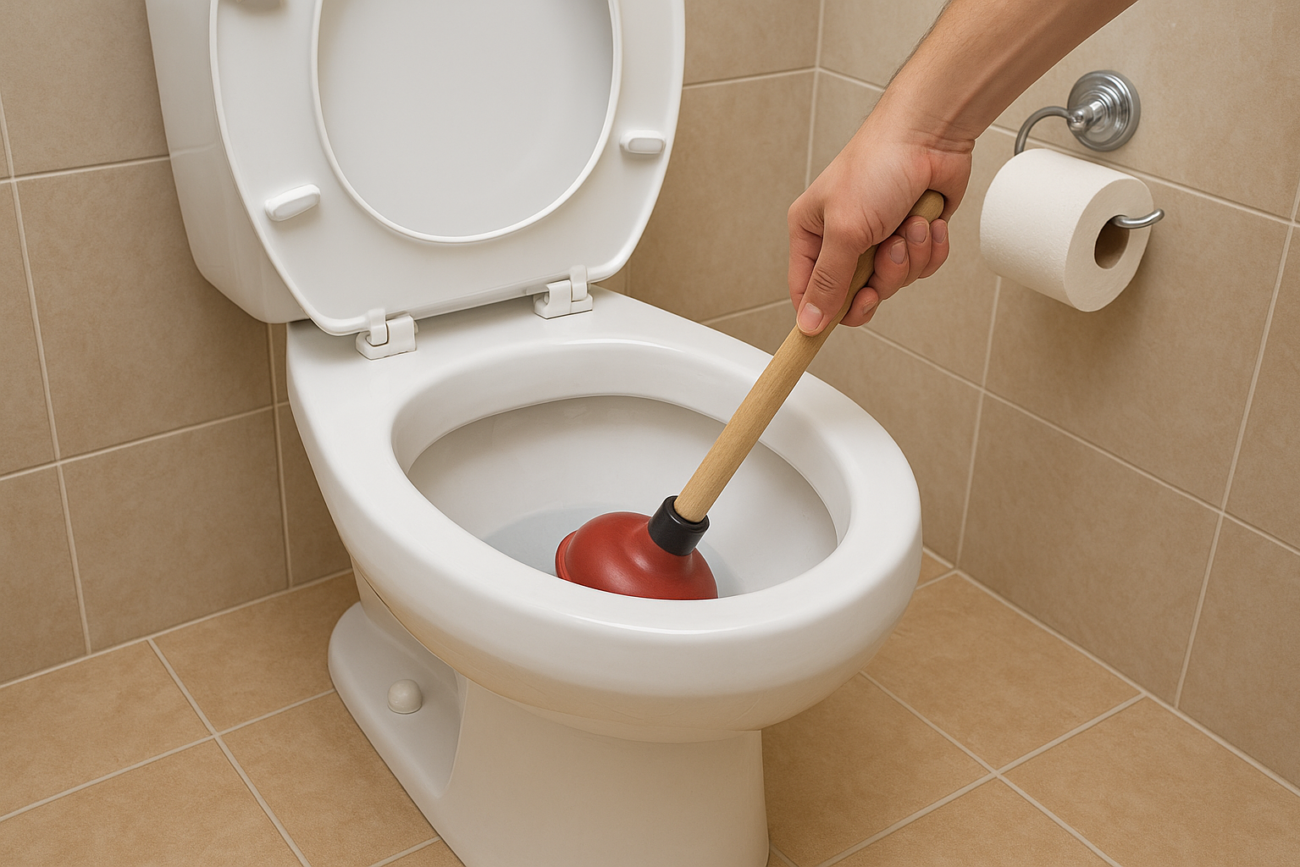
A plunger is your best friend when it comes to unclogging a toilet. Make sure the bowl has enough water to cover the rubber cup, then place the plunger over the drain and press down gently to form a seal. Pump up and down firmly several times, then pull up sharply. You should feel resistance loosen as the blockage starts to clear. If the water begins to drain, you’re on the right track — repeat the process a couple more times to ensure it’s fully cleared.
2. Try Hot Water and Dish Soap
If plunging doesn’t do the trick, pour about half a cup of dish soap into the toilet bowl, followed by a bucket of hot (not boiling) water. The soap helps lubricate the pipe, while the warm water softens the blockage. Let it sit for 10–15 minutes, then try flushing again. This method is gentle, safe, and effective for most soft clogs.
3. Use a Toilet Auger for Stubborn Clogs
When the blockage is deeper in the drain, a toilet auger (also called a plumbing snake) can reach it. Insert the auger’s flexible end into the toilet opening and slowly twist the handle to break up or pull out the clog. Be gentle — too much force can scratch the porcelain or damage the pipes.
If one method doesn’t work immediately, don’t panic. Try repeating it once or twice before moving to the next technique. Persistent clogs might need a combination of approaches — for example, using soap and hot water first, then plunging afterward. If none of these solutions make progress after a few attempts, it may indicate a deeper issue in the plumbing line that requires professional attention.
Using a Plunger Correctly for the Best Results
Using a plunger may seem straightforward, but technique makes all the difference between clearing the clog quickly and wasting your effort. Start by choosing the right type — a flange plunger, which has an extended rubber flap, is made specifically for toilets and creates a tighter seal than the flat sink type.
To begin, make sure there’s enough water in the bowl to submerge the plunger head. If the bowl is empty, add some water; if it’s too full, remove a little to avoid overflow. Place the plunger over the drain hole and gently press down to expel air, forming a strong seal. Then, pump firmly up and down for about 15 to 20 seconds. The goal is not just pushing but also pulling water through the drain to loosen the clog.
You’ll know it’s working when you hear water sloshing or see the water level in the bowl start to drop slightly. If nothing changes after a few rounds, adjust your seal and try again with consistent, steady pressure. When the clog breaks loose, you’ll notice the water draining faster or a gurgling sound as trapped air escapes — a sure sign that you’re in the clear.
What to Do If a Plunger Isn’t Enough?
Sometimes, even with the best effort, a plunger alone can’t handle a stubborn clog. In that case, there are safe, effective alternatives that can save you from calling a plumber.
One of the simplest methods is the dish soap and hot water trick. Pour about half a cup of dish soap into the toilet bowl, wait a few minutes, then follow with a bucket of hot (but not boiling) water. The heat helps soften waste and paper buildup, while the soap acts as a lubricant to ease the blockage through the pipes. Let the mixture sit for 10–15 minutes before flushing to test the result.
If that doesn’t work, try using a toilet auger, also known as a plumbing snake. Insert the auger’s coiled end into the toilet’s drain and gently crank the handle to feed it through. When you feel resistance, you’ve likely reached the blockage — twist and push slowly to break it apart or hook it out. Avoid using too much force, as excessive pressure can damage the toilet’s porcelain or the pipes below.
Stay away from harsh chemical drain cleaners; while they may promise quick results, they can corrode pipes, harm the environment, and cause damage if misused. Mechanical and manual methods are safer and just as effective when done correctly.
If you’ve tried all these approaches and the water still won’t drain properly, the issue might lie deeper in the plumbing system. At that point, it’s best to stop and call a professional to prevent worsening the problem.
How to Prevent Future Toilet Clogs?
Preventing clogs is much easier than dealing with them after they happen. A few simple habits can go a long way in keeping your toilet running smoothly and saving you from unnecessary frustration.
First, be mindful of what goes down the toilet. Only human waste and toilet paper should be flushed — nothing else. Items like wipes (even those labeled “flushable”), cotton balls, tissues, paper towels, and hygiene products don’t dissolve properly and can easily create blockages in your pipes. Using moderate amounts of toilet paper also helps, as large wads can get trapped and cause slow drains.
Second, regularly inspect and maintain your toilet. Check that the water flow is strong enough for a complete flush; weak flushes often leave waste behind and lead to buildup. If you live in a hard-water area, mineral deposits can narrow your toilet’s jets or internal passages over time. Cleaning them with a gentle descaler every few months can prevent this.
Lastly, consider flushing your drains periodically with hot water and mild dish soap to keep them clear of buildup. If you notice recurring slow drainage, don’t wait — a quick check with a plunger or auger can prevent a small issue from turning into a major clog. Consistent care keeps your plumbing system healthy and ensures your toilet stays in good working order.
When It’s Time to Call a Professional?
While most clogs can be handled with basic tools and patience, there are times when professional help is the smartest — and safest — choice.
If you’ve tried plunging, hot water, or an auger without success, and the toilet still refuses to flush properly, the clog may be located deeper in the plumbing line. Persistent gurgling sounds, water backing up into sinks or tubs, or multiple toilets draining slowly are signs that the blockage could be in your main sewer line — a problem only a licensed plumber should address.
Another red flag is recurring clogs in the same toilet. This might indicate a partial blockage that keeps reforming, or a more serious issue like a tree root intrusion or damaged pipe. Continuing to use DIY methods in these cases can worsen the damage or push the blockage further down the line.
Call a professional plumber if you suspect a complex or recurring issue. They have specialized tools, such as drain cameras and high-pressure jets, to locate and remove deep blockages safely. Sometimes, expert intervention not only fixes the current problem but also prevents future ones — saving you time, stress, and costly repairs in the long run.
Conclusion
Dealing with a clogged toilet can feel stressful in the moment, but in most cases, it’s a simple problem with a straightforward fix. By understanding what causes clogs, preparing properly, and using reliable methods like plunging, hot water, or a toilet auger, you can resolve most blockages on your own — safely and effectively.
Prevention is just as important as the fix itself. Small habits, such as using only flushable materials, limiting toilet paper use, and maintaining good water flow, can keep your toilet working smoothly and help you avoid future issues. Regular care and awareness go a long way in preventing costly plumbing problems.
Remember, patience and a calm approach are your best tools. With the right steps and a bit of confidence, you can handle nearly any toilet clog without panic or unnecessary expense. And if the problem ever proves too stubborn, knowing when to call a professional ensures your home stays clean, safe, and fully functional.
