
In today’s fast-paced world, the workers’ compensation system is undergoing significant changes driven by technological advancements, artificial intelligence, and enhanced worker tracking methods. These changes aim to make the process more efficient, transparent, and fair, benefiting both employers and employees. With the guidance of experienced workers’ compensation lawyers, navigating this evolving landscape, including understanding temporary vs. permanent disability, can become smoother and more streamlined.
Embracing Technology for Smarter Claims Management
Technology has already begun to play a pivotal role in revolutionizing workers’ compensation. Traditional paper-based processes are gradually being replaced by digital systems that make filing, processing, and tracking claims faster and more accurate. Many states and insurance companies are adopting online portals for injured workers to submit claims, which helps reduce the time spent on paperwork and increases the likelihood of claims being processed swiftly.
One of the main advantages of these technological innovations is the reduction of human error. Automated systems can verify information and flag discrepancies, preventing mistakes that could delay a claim. Moreover, digital platforms enable workers’ compensation lawyers to access case details quickly and efficiently, making it easier to provide clients with timely legal advice and support.
Artificial Intelligence: The Game Changer
Artificial intelligence (AI) is set to be a game-changer in the workers’ compensation world. AI algorithms are already being used to analyze large amounts of data to predict the outcomes of claims based on previous patterns. This allows insurance companies to make quicker, more informed decisions about claim approvals, settlements, and denials.
AI also helps in identifying fraud, which is a significant concern in workers’ compensation cases. By analyzing claim trends and comparing them against known fraud patterns, AI systems can detect potential fraudulent claims early on, reducing the financial burden on businesses and insurers. Workers’ compensation lawyers, with their deep understanding of the legal framework, can use this technology to better navigate cases involving complex claims or suspected fraud.
Fun fact: AI can analyze thousands of claims in the blink of an eye, a task that would take humans months!
The Role of Wearables and Worker Tracking
One of the most intriguing innovations in the workers’ compensation space is the use of wearables and worker tracking technologies. Devices like smart helmets, wristbands, and vests are increasingly being used in high-risk industries such as construction, manufacturing, and logistics. These devices track workers’ movements, monitor their health metrics (like heart rate and body temperature), and alert supervisors to any unsafe conditions in real time.
For example, a wearable device might detect when a worker lifts a heavy object improperly, sending an alert that can prevent injury. In the event of an accident, the data collected by these devices can provide crucial insights into what happened, helping to resolve disputes more efficiently and accurately. Workers’ compensation lawyers can use this information to support their clients’ claims, ensuring that they are properly compensated for their injuries.
Enhancing the Claims Experience with Virtual Reality (VR)
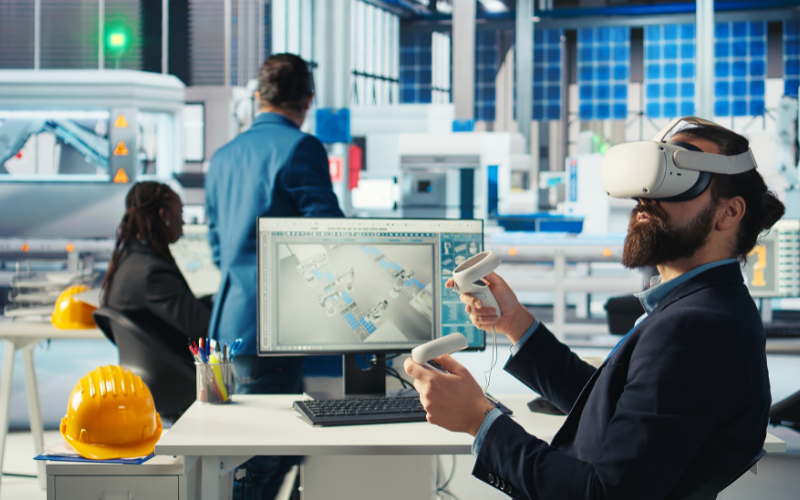
Virtual reality (VR) is being explored as a tool for enhancing rehabilitation in workers’ compensation cases. VR can simulate real-world environments, allowing injured workers to practice movements and exercises in a controlled and safe environment. This type of rehabilitation has shown to be particularly effective in helping people recover from physical injuries, reducing the time they need to return to work.
In addition to rehabilitation, VR is being used for training purposes to prevent injuries in the first place. For instance, workers can experience virtual scenarios that teach them how to handle dangerous situations in the workplace without ever putting themselves at risk. This proactive approach can reduce the number of claims made, which benefits both employers and insurers.
The Future: Integration and Personalization
As we look to the future, the integration of these technologies will only deepen. AI, wearables, and VR are likely to become a more unified system that collects and analyzes data in real time. With the help of advanced analytics, workers’ compensation processes will be tailored to the individual, allowing for more personalized claims handling and rehabilitation plans. This means that workers’ compensation lawyers will be able to advocate for their clients in a more targeted way, using data to secure the best possible outcomes.
Employers, too, will benefit from these advancements, as the insights provided by these technologies will enable them to improve workplace safety, reduce claim costs, and increase overall productivity. However, it is essential that both workers and employers stay informed about these changes. This is where the expertise of workers’ compensation lawyers comes into play, as they can guide clients through the legal implications of using these technologies and highlight how missed deadlines can affect your case, ensuring that workers’ rights are upheld while also helping businesses comply with evolving regulations.
Fun fact: Wearables can save employers millions by preventing workplace injuries before they happen!
A Brighter Future Ahead
As technology continues to advance, the future of workers’ compensation looks brighter than ever. With AI-driven claims management, real-time data from wearables, and innovative rehabilitation tools like VR, the system is becoming faster, more efficient, and fairer for everyone involved. Workers’ compensation lawyers will play a critical role in helping workers navigate this changing landscape, ensuring they receive the compensation and care they deserve. By embracing these technological innovations, both workers and employers stand to benefit from a safer, more effective system.
