
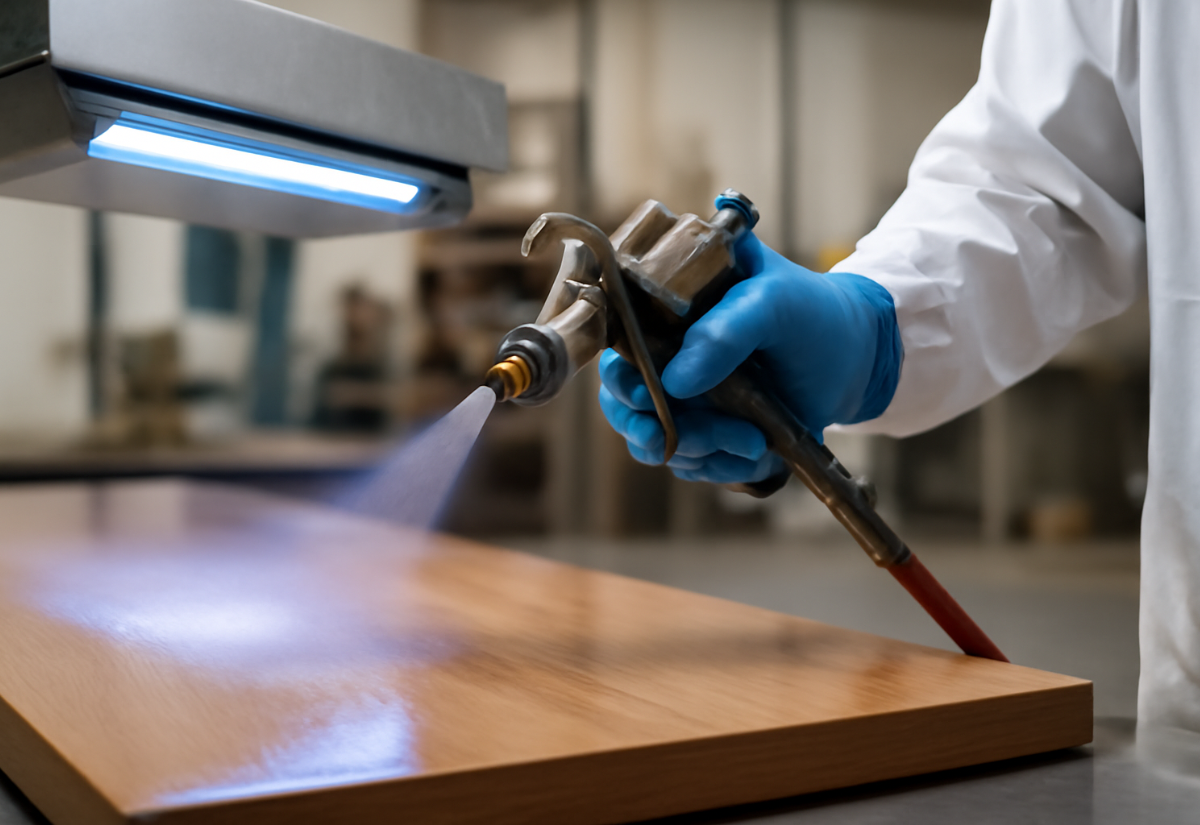
When people hear the word uvlack for the first time, they usually think it might be some complicated chemical only scientists understand. uvlack is actually a very smart type of UV-cured coating that works almost like applying a protective layer in skincare, except it’s made for surfaces like wood, plastic, electronics and even printed materials. Think of it as a powerful shield that hardens instantly when exposed to UV light, giving the surface a durable finish that can handle scratches, sunlight, chemicals and daily wear.
Because I’ve spent years working with UV-protection systems in skincare and surface-safe products, I can tell you right away that the idea behind uvlack is very similar to how some modern gels or UV-sealed beauty products work. Once UV light hits it, the coating transforms from a liquid into a solid protective layer. And honestly, that instant transformation is what makes uvlack such a game changer in manufacturing and design.
What Is uvlack and Why It Matters in Modern Finishing
At its core, uvlack is a UV-curable lacquer. That simply means it’s a coating that dries and hardens when exposed to ultraviolet light instead of air. Traditional coatings need hours or even days to dry completely, but uvlack hardens almost instantly. This is why factories love using it. It cuts production time, reduces errors and gives surfaces a consistent finish.
If you’ve ever waited for nail polish to dry, you already know how slow that can feel. Imagine a whole factory waiting for a coating to dry. It slows everything down. With uvlack, they don’t have to wait. A quick run under a UV lamp and the surface is ready.
Another reason uvlack matters is durability. Surfaces coated with it handle scratches, chemicals and daily friction much better than older lacquer types. So whether it’s a wooden cabinet, an electronic device casing or a decorative panel, uvlack helps it stay newer for longer.
And here’s something important: many industries now prefer uvlack because it has lower emissions compared to solvent-based coatings. That makes it safer for workers and better for the environment.
How uvlack Works: A Simple Breakdown of UV-Curing Technology
The magic of uvlack comes from its formula. It contains resins, additives and special ingredients called photoinitiators. These photoinitiators react the moment UV light hits them. Once activated, they trigger a fast chemical reaction that turns the coating from liquid to solid right on the spot.
To explain it in a more everyday way, imagine applying a protective cream that stays wet until you shine a specific light on it. The second that light hits, the cream becomes a solid shield. That’s exactly how uvlack behaves.
This fast curing is what makes the finish so strong. Because the coating hardens instantly, it locks all molecules tightly together. That dense structure gives the surface exceptional resistance to scratches, chemicals and fading.
This technology also prevents dust or particles from sticking to the coating during drying because there is no long waiting period. The moment UV light passes over it, the job is done.
Types of uvlack and Where Each One Performs Best
Just like skincare products come in different textures and finishes, uvlack comes in several versions depending on where it’s used.
Glossy uvlack:
Used when a high-shine finish is needed. Think of polished furniture, luxury decor pieces or printed packaging that needs that glossy pop.
Matte or semi-matte uvlack:
Perfect for modern furniture, interiors, electronic devices and surfaces that should look smooth and elegant without shine.
Pigmented uvlack:
These coatings come with color. They’re used for automotive interiors, decorative panels and plastic components where both color and protection are needed.
Flexible vs rigid formulations:
Some surfaces, like wood with natural movement, need flexible coatings so they won’t crack. Rigid plastics or metals need a firmer coating. Uvlack is designed in both forms to match the surface.
Special-use uvlack:
Some versions offer extreme scratch resistance, heat tolerance or chemical protection for heavy-duty environments.
Knowing the right type helps every industry get the exact finish and durability they want.
Benefits of uvlack for Speed, Strength and Sustainability
One of the biggest advantages of uvlack is speed. Because it cures in seconds, businesses can produce more in less time. This reduces overall cost and eliminates delays caused by slow drying.
The second major benefit is strength. Uvlack coatings hold up extremely well in real life. They resist scratches, impacts, chemical spills and everyday wear. If you think about a wooden tabletop, a phone body or a printed brochure, durability matters a lot, and uvlack provides that long-lasting protection.
Another key benefit is the clean finish. Uvlack creates a smoother surface with consistent gloss. It doesn’t leave streaks or uneven patches like some traditional lacquers can.
And here’s something many people appreciate: uvlack is more eco-friendly. It releases fewer harmful emissions during application, which makes it safer for the environment and the people handling it. In today’s world, sustainability is not just a trend, it’s a responsibility. Uvlack supports that shift in a real, practical way.
Common Uses of uvlack in Different Industries
Uvlack has found its way into many industries simply because it performs so well.
Furniture and wood finishing:
Cabinets, tables and wooden panels get a long-lasting, beautiful finish with uvlack. It protects them from scratches and daily use.
Automotive interior components:
Dashboard trims, decorative panels and interior plastics use uvlack for a stable finish that doesn’t fade in sunlight.
Electronics and PCB protection:
Circuit boards need protection from dust, moisture and chemicals. Uvlack creates a thin, strong barrier that keeps sensitive components safe.
Printed materials and packaging:
Luxury packaging, labels, brochures and cards often use a glossy uvlack layer to stand out and stay durable.
Beauty products:
UV-cured nail gels work on the same logic as uvlack. They harden quickly under UV light to create a strong, glossy finish.
Because the technology is so reliable, more industries are adopting it every year.
How to Choose the Right uvlack for Your Project
Choosing the right uvlack is similar to choosing the right sunscreen or skincare routine. You match the product with the surface and the environment.
Here’s what to consider:
- The material you’re coating
- How much gloss or matte finish you want
- Whether the surface needs chemical or heat resistance
- The UV-curing setup you’ll use
- Whether you need color, clear protection or both
If you’re coating wood, you may need a flexible formula. If you’re working with electronics, you’ll want a thinner protective layer. And for decorative items, gloss level becomes important.
When you choose correctly, the final result looks better and lasts longer.
How to Apply uvlack: Simple Step-by-Step Guide
Applying uvlack isn’t complicated, but doing it right makes all the difference.
- Prepare the surface
Clean it well. Remove dust, oils or fingerprints. If it’s wood, a light sanding helps the coating stick better. - Apply the uvlack
You can use spray, roller or brush depending on the surface. In factories, they often use curtain coating machines for smooth results. - Expose it to UV light
This is the magic moment. The UV lamp cures the coating instantly. You don’t need to wait for hours. Just make sure the lamp is strong enough and the exposure is even. - Final checks
Once cured, check the smoothness, gloss and hardness. The coating should feel dry and firm to the touch.
Doing it right ensures the coating lasts for years without peeling or fading.
Safety, Storage and Maintenance Tips for uvlack
Wear gloves when applying uncured uvlack and avoid getting it on your skin. UV lamps also need careful handling, so avoid exposing your eyes directly to the light.
For storage, keep the product in a cool, shaded area. Since UV light triggers curing, even small exposure can harden the material in the container.
Caring for surfaces coated with uvlack is simple. Use soft cloths for cleaning and avoid harsh chemicals unless the version you used is rated for chemical resistance.
With the right care, uvlack-coated surfaces stay fresh and attractive for a very long time.
Future of uvlack: Next-Generation UV-Curable Coatings
The future of uvlack looks bright because industries want faster production, cleaner formulas and longer durability. New versions of uvlack are becoming even more scratch resistant, more flexible and safer for the environment.
Manufacturers are also working on formulas that need less energy to cure. That means smaller UV lamps, lower energy bills and more eco-friendly production systems.
And with more companies shifting to sustainable practices, uvlack is becoming a key part of modern manufacturing. It offers speed, style and strength all in one.
Conclusion
Uvlack brings together everything people want today: fast results, strong protection, beautiful finishes and safer application. It protects surfaces the way a powerful sunscreen protects skin, creating a solid barrier that stands up to sunlight, scratches and daily use.
Whether it’s furniture, electronics, packaging or personal items, uvlack gives them a cleaner, longer-lasting finish. And as industries move toward more eco-friendly and efficient processes, uvlack will continue to play a major role.
FAQs
1. What is uvlack used for?
Uvlack is used to protect surfaces like wood, electronics, plastic parts and printed materials with a long-lasting, UV-hardened coating.
2. Is uvlack better than normal lacquer?
Yes. It cures faster, lasts longer, resists scratches and gives a cleaner finish than traditional lacquer.
3. Can beginners use uvlack at home?
Yes, but you’ll need a UV lamp and proper safety handling. It’s easier in workshops, but DIY use is possible with care.
4. Does uvlack damage the surface?
No. When applied correctly, it protects the surface and improves durability, shine and overall lifespan.
5. How long does uvlack last once applied?
With proper curing and good surface prep, uvlack can last for years without fading, peeling or cracking.
