
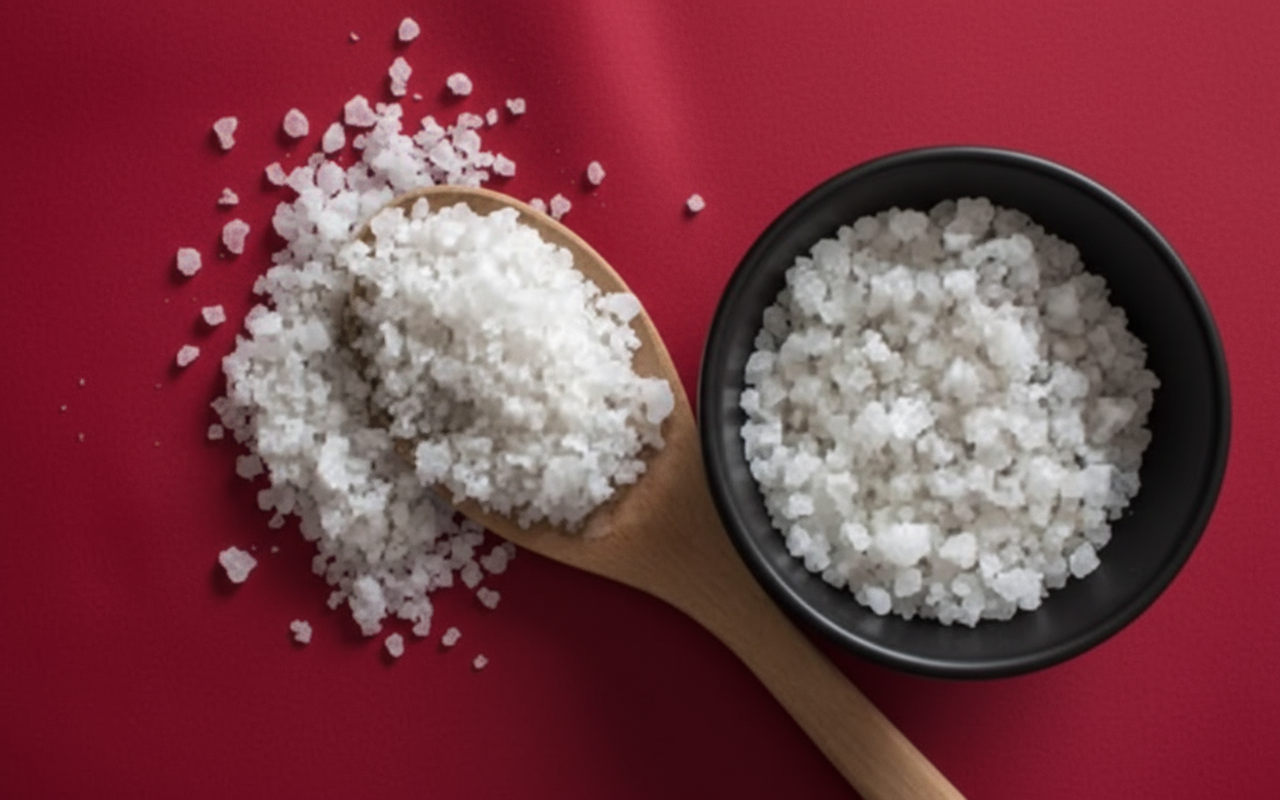
Celtic salt is more than just a seasoning; it’s a natural mineral treasure drawn from the sea and shaped by centuries of coastal tradition. Unlike ordinary table salt, Celtic salt is hand-harvested using methods that respect both nature and heritage. Originating from the pristine tidal flats of Brittany, France, this artisanal salt retains its moist texture and grey hue — a sign of the trace minerals that remain intact after slow, sun-driven evaporation.
In recent years, Celtic salt has earned attention beyond gourmet kitchens. Wellness enthusiasts appreciate its unrefined quality and naturally balanced mineral profile, while chefs celebrate its distinct taste and texture. Its reputation as both a culinary and wellness staple continues to grow, fueled by modern interest in authentic, minimally processed foods that connect us back to the earth.
The Origins and Tradition Behind Celtic Salt
The story of Celtic salt begins on the western French coastline, particularly along the Guérande region, where skilled salt workers — known as paludiers — have practiced sea-salt farming for centuries. This tradition dates back to the time of the ancient Celts, whose methods of channeling ocean water into clay-lined ponds have been carefully preserved and passed down through generations.
Using only sun and wind, the salt pans allow seawater to slowly evaporate, leaving behind naturally crystallized salt enriched with minerals from the marine environment. The process is gentle and chemical-free, ensuring that Celtic salt remains close to its natural state. This old-world approach helps maintain purity and sustainability, reflecting a deep respect for both the environment and the craft itself.
What Makes Celtic Salt Different from Regular Table Salt?
The difference between Celtic salt and the refined salt found in most kitchens is striking. Regular table salt is heavily processed, stripped of minerals, and often mixed with anti-caking agents and iodine. In contrast, Celtic salt is harvested by hand and left unrefined, meaning it keeps its natural mineral complexity.
Its soft grey color, slightly damp texture, and mild briny aroma are hallmarks of authenticity. These characteristics come from the clay-lined salt flats, which help preserve trace elements like magnesium and calcium while preventing complete drying. The result is a salt that not only seasons food but also adds subtle depth and minerality that ordinary salt simply lacks.
Because it is harvested naturally and minimally processed, Celtic salt retains its ocean-born vitality — a pure expression of sea and earth working in harmony.
The Nutritional and Mineral Profile of Celtic Salt
Celtic salt earns praise for its balanced mineral composition. It contains magnesium, calcium, potassium, iron, and zinc in small but meaningful quantities. These minerals play important roles in maintaining healthy hydration, supporting muscle function, and balancing electrolytes.
Unlike the sodium-dominant makeup of table salt, Celtic salt provides a gentler mineral mix. Advocates often describe it as more “alive” because of these naturally occurring nutrients. While the actual mineral content is modest — Celtic salt is still primarily sodium chloride — every grain carries trace elements that work together to create its subtle flavor and natural harmony.
It’s also worth noting that claims of extraordinary health benefits are sometimes overstated. Celtic salt can support hydration and mineral intake within a balanced diet, but it is not a cure-all or a replacement for essential nutrients found in food. The reality sits comfortably between myth and science: it is a wholesome, naturally balanced alternative, best enjoyed in moderation.
Culinary Uses That Highlight Celtic Salt’s Unique Flavor
Celtic salt brings a soft, almost oceanic flavor that enhances both simple and complex dishes. Its moist crystals dissolve slowly, allowing flavors to build gradually rather than overwhelm the palate. Chefs often prefer it as a finishing salt — a gentle sprinkle that awakens ingredients at the final moment of plating.
From fresh salads and roasted vegetables to grilled seafood and rustic breads, Celtic salt shines wherever taste and texture matter. Its mineral nuances accentuate natural flavors without dominating them, creating a clean, bright balance that invites mindful cooking.
When pairing Celtic salt with cuisine, think of it as a complement rather than a seasoning shortcut. Its subtleness suits everything from Mediterranean dishes to modern plant-based meals, proving that a pinch of nature’s simplest mineral can transform an entire dining experience.
Potential Health and Wellness Benefits
Supporters of Celtic salt often speak of its wellness potential — particularly in hydration, mineral balance, and skin care. Its natural sodium and trace minerals help the body maintain proper fluid balance, especially after exercise or during hot weather. Some people add a pinch to water to restore electrolytes naturally.
In skin care, diluted Celtic salt solutions are sometimes used in exfoliating scrubs or soothing baths. Its mineral content may gently cleanse and refresh the skin without harsh additives. That said, these uses should complement, not replace, professional skincare or medical advice.
The key is balance. Celtic salt contributes to well-being when used mindfully, offering a natural way to reconnect with elemental nutrition while keeping expectations grounded in practicality rather than hype.
Choosing and Storing Authentic Celtic Salt
With the rising popularity of natural salts, imitations abound. True Celtic salt will typically come from the coastal regions of Brittany and often carries certification or clear origin labeling. Genuine varieties are moist, coarse, and grey — not dry or overly white.
To maintain freshness, it’s best stored in a non-metallic container that allows slight airflow, preserving its natural moisture. Unlike refined salt, Celtic salt is not meant to clump freely; its dampness is part of its authenticity. Reading labels carefully helps ensure transparency in sourcing and supports producers who follow sustainable harvesting practices.
Sustainable Harvesting and Environmental Care
Celtic salt embodies more than flavor or wellness trends — it represents an ecologically respectful approach to food production. The salt marshes where it’s made serve as essential habitats for birds and marine life, functioning as living ecosystems. Traditional harvesting involves no machinery or intensive energy use, relying solely on natural evaporation cycles.
Producers committed to these methods help preserve coastal biodiversity while ensuring the long-term quality of the salt. Ethical practices also mean protecting the integrity of the salt workers’ craft, which depends on clean waters and sustainable techniques. Choosing authentic Celtic salt is, in many ways, an act of environmental mindfulness.
Conclusion
Celtic salt continues to earn its place in modern kitchens and wellness routines because it connects us to something elemental and enduring. It belongs to a lineage of craftsmanship that values purity, balance, and respect for nature’s rhythms. Its grey hue and moist texture tell the story of wind, water, and time — a story that adds both flavor and meaning to daily life.
In an era of overprocessed foods and quick solutions, Celtic salt reminds us that simplicity can be sophisticated. Whether you use it to finish a meal, balance minerals, or simply appreciate the beauty of traditional harvesting, each grain reflects harmony between nature, tradition, and mindful living.
In every sense, Celtic salt remains a small yet shining example of how the past and present can meet — with authenticity, sustainability, and a touch of the sea in every crystal.
