
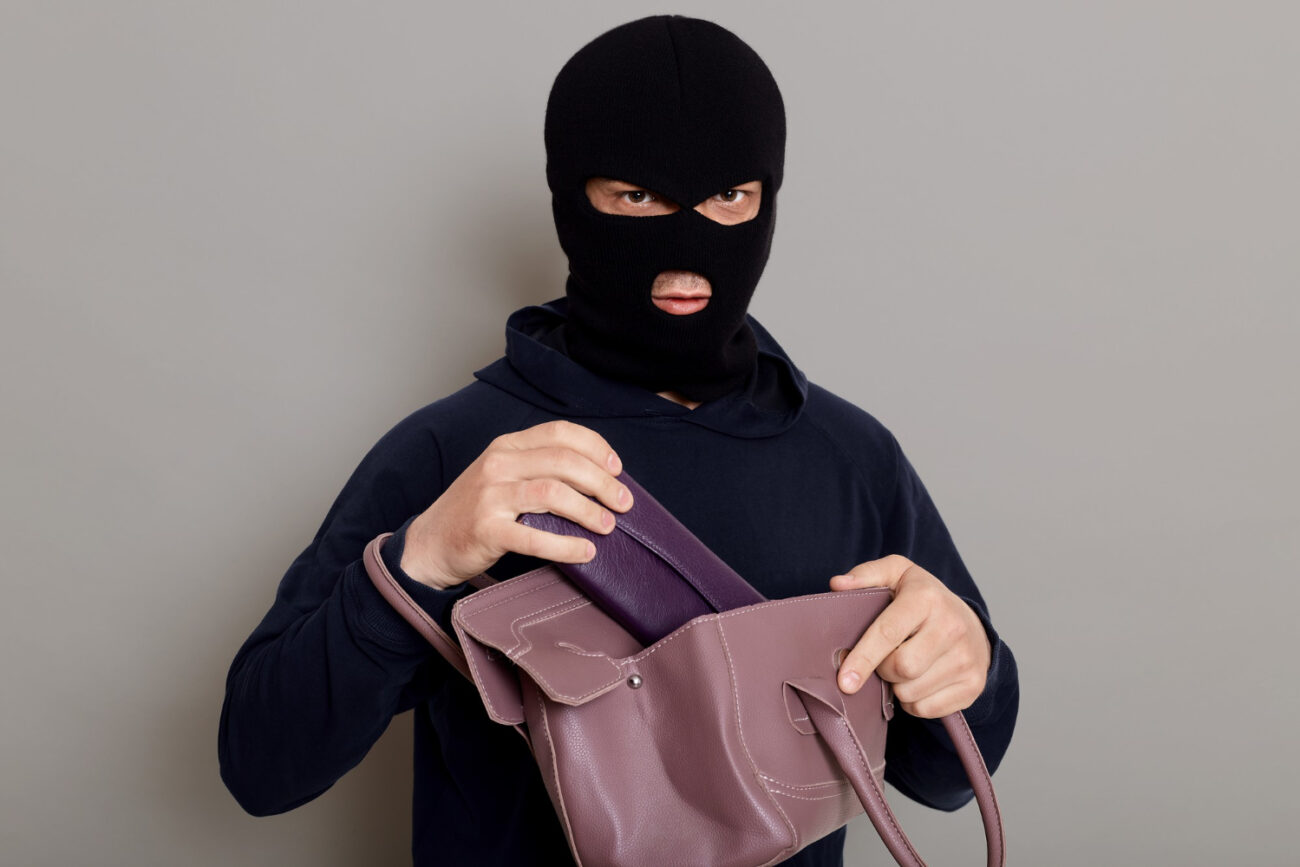
A balaclava is a close-fitting piece of headwear designed to protect the head, face, and neck from wind and cold. It wraps comfortably around the contours of the face, leaving openings for the eyes, mouth, or sometimes the entire face. Simple yet versatile, it has become an essential item for people living in cold climates, outdoor enthusiasts, motorcyclists, and even modern fashion fans.
The story of the balaclava began centuries ago, but its name and modern design trace back to a very specific moment in history. Over time, it has evolved from a purely functional military garment into a symbol of resilience, individuality, and style. Today, it’s seen on ski slopes, city streets, and high-end runways alike.
Understanding what a balaclava is, how it originated, and the many types available today helps us appreciate its practicality, cultural depth, and growing presence in modern wardrobes.
The History and Origins of the Balaclava
The balaclava got its name from the Battle of Balaclava, during the Crimean War in 1854. British soldiers, fighting in freezing conditions, needed something to shield them from the brutal cold. Women back home knitted head coverings that wrapped around the face and neck, keeping the soldiers warm. The design proved so effective that the name balaclava became linked forever with this practical form of headwear.
After the war, the balaclava moved beyond the battlefield. Mountaineers and explorers adopted it to face tough weather, while workers in cold regions found it invaluable. By the 20th century, it was no longer just military or utilitarian clothing; it became everyday winter gear used across Europe and beyond.
Cultural references throughout the years—ranging from outdoor sports to movies—have shaped how people see the balaclava. At times, it’s been seen as mysterious or even intimidating due to its association with anonymity, but it has also been viewed as a symbol of endurance and strength.
Types and Materials of Modern Balaclavas
Modern balaclavas come in many forms and materials, each designed for a specific use, season, or aesthetic. Their variations reflect how versatile and practical this simple piece of cloth can be.
Full-Face Balaclava
This type covers the entire face except for the eyes. It offers maximum warmth and protection, making it perfect for extreme weather, skiing, or winter hiking.
Open-Face Balaclava
This version leaves the face exposed but still covers the head and neck. It’s popular among bikers and outdoor workers who need warmth without sacrificing visibility or comfort.
Three-Hole Balaclava
A traditional design with openings for the eyes and mouth. It provides solid coverage while allowing easier breathing and communication, often favored in tactical or outdoor settings.
Half Balaclava (or Half Mask)
Covering only the lower face and neck, this lightweight option protects against wind and dust, making it ideal for motorcyclists or commuters.
Convertible or Modular Balaclava
This smart design can transform into different configurations, such as a neck gaiter, face mask, or hood, depending on need. It’s a versatile choice for travelers and adventurers.
Hooded Balaclava
Shaped like a hood, this version often fits comfortably under helmets. It’s thin, stretchable, and ideal for layering during cold-weather sports.
Thermal Balaclava
Made from insulating fabrics, the thermal type locks in heat and shields from freezing temperatures—commonly used in mountaineering or military missions.
Lightweight or Breathable Balaclava
Created from thin, moisture-wicking fabric, this one is suited for running, cycling, or summer adventures. It keeps sweat away without overheating.
Fleece Balaclava
Soft, cozy, and insulating, fleece balaclavas are perfect for casual winter wear and snow activities. They offer both warmth and comfort.
Merino Wool Balaclava
Made from natural wool fibers, this type is warm, breathable, and odor-resistant. It’s environmentally friendly and perfect for long, active days outdoors.
Synthetic Fabric Balaclava (Polyester, Spandex, Nylon blends)
These materials provide durability, flexibility, and quick-drying properties. They’re widely used for sports and professional performance gear.
Windproof or Waterproof Balaclava
Engineered for harsh conditions, this option includes a protective outer layer that blocks wind and moisture—essential for those who spend long hours outside.
Practical Uses: Beyond Cold Weather Protection
While warmth is the balaclava’s most obvious benefit, its uses extend far beyond winter activities. Athletes, motorcyclists, and skiers all rely on it for safety and comfort. In outdoor sports, a balaclava shields the skin from frostbite, UV rays, and windburn. For motorcyclists, it creates a barrier against dust and debris while fitting neatly under a helmet.
Professionally, balaclavas are also part of uniforms for firefighters, soldiers, and industrial workers who face extreme temperatures or environmental hazards. Its lightweight protection helps maintain focus and safety.
In urban settings, people use balaclavas as practical cold-weather accessories. When paired with coats and scarves, they create a neat and comfortable layer that keeps the chill away while preserving body warmth.
The Rise of the Balaclava in Contemporary Fashion
Fashion’s love affair with the balaclava has been surprising and bold. What started as survival gear has found new life through runway collections, streetwear trends, and social media movements. Luxury designers have turned the balaclava into a statement piece, experimenting with colors, cuts, and materials.
In fashion circles, it carries a sense of mystery and rebellion. Worn artistically, it can symbolize freedom of expression or challenge traditional ideas of identity. Yet even as it makes headlines on catwalks, the modern balaclava retains its essential purpose: warmth and protection.
Designers balance this dual identity—function versus fashion—by crafting balaclavas that are as visually striking as they are practical. The result is an item that bridges outdoor performance and individual style.
Choosing the Right Balaclava for Your Needs
When picking a balaclava, it’s worth thinking about the activity, climate, and level of coverage you need. For snow sports, a thermal or fleece model provides maximum warmth. Runners and cyclists often prefer breathable, moisture-wicking fabrics that stay dry during high movement. A proper fit is key; the balaclava should sit snugly without restricting breathing or vision.
To make it last, gentle washing with mild detergent and air drying helps preserve elasticity and texture. Storing it flat rather than folded avoids stretching.
Beyond functionality, consider how the balaclava matches your personal style. Neutral shades like black or gray fit any outfit, while brighter colors or patterns can reflect individuality. Choosing the right balance of comfort and expression makes it a piece you’ll actually enjoy wearing.
Social and Cultural Perspectives
The balaclava carries a dual identity. On one hand, it’s an essential item for warmth and safety; on the other, it sometimes stirs controversy due to its associations with disguise and protest. In media imagery, a balaclava can evoke a sense of mystery or rebellion, which influences how people perceive it in daily life.
Nevertheless, context matters. A skier, firefighter, or hiker wearing a balaclava is recognized for practicality rather than concealment. As conversations around identity, privacy, and self-expression continue to evolve, the balaclava remains part of that dialogue.
Today’s balanced view acknowledges both its protective purpose and its cultural symbolism. It reminds us that clothing can be both functional and meaningful—a reflection of individual and collective stories.
Conclusion
From battlefield beginnings to fashion runways, the balaclava has journeyed through centuries of change while keeping its purpose intact. It protects, conceals, and expresses—depending on who wears it and why.
Once a sign of resilience in extreme conditions, the balaclava now crosses boundaries of culture and climate. It continues to adapt, moving effortlessly between practicality and creativity. Whether worn for warmth, performance, or style, it represents innovation rooted in history.
In a world that values both comfort and identity, the balaclava stands as a timeless example of how a simple garment can carry rich meaning—proof that even the most humble accessories can weave together function, culture, and modern relevance.
