
Introduction
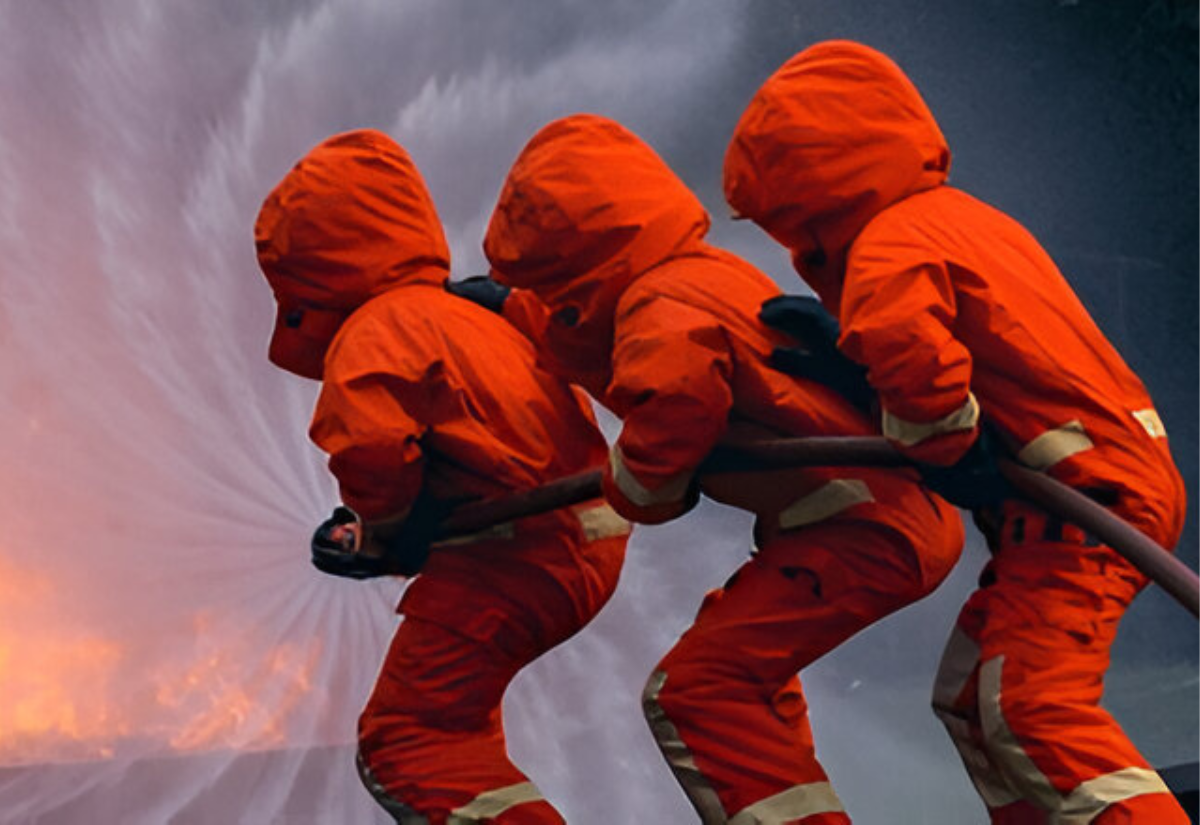
Firefighting is one of the most dangerous jobs in the world, and the gear firefighters wear plays a critical role in keeping them safe. One of the most common questions people ask is: are firefighter suits fire resistant? The answer is yes — but with important details to understand. Firefighter suits are designed to resist extreme heat and flames, giving firefighters vital protection while they work in life-threatening conditions. However, they are not completely fireproof, and knowing their limits is just as important as knowing their strengths.
The Purpose of a Firefighter Suit
Firefighting is not just about putting out flames — it’s about survival in some of the harshest conditions imaginable. A firefighter suit, often called turnout gear or bunker gear, is designed to give firefighters the best possible chance of working safely in environments filled with heat, smoke, and unpredictable hazards.
The suit acts as a shield against extreme temperatures, sparks, and falling debris. It also helps reduce the risk of burns and other heat-related injuries when firefighters enter burning buildings or fight wildfires. Without this level of protection, even a few seconds of exposure to high heat could be life-threatening.
Fire resistance is at the core of its design. Every layer of the suit, from the outer shell to the thermal barrier, works together to slow down heat transfer and give firefighters precious time to carry out rescues or extinguish flames. While no protective clothing can make someone invincible to fire, the specialized gear ensures firefighters can do their job with reduced risk and greater confidence.
Materials Used in Firefighter Suits
The strength of a firefighter suit comes from its carefully engineered layers. Each layer plays a specific role, and together they create a balance of fire resistance, heat protection, and comfort. Modern turnout gear is built with advanced fabrics that withstand intense conditions while still allowing firefighters enough mobility to perform their duties.
Outer Shell Materials
The outer shell is the first line of defense. It is typically made from flame-retardant fibers such as Kevlar®, Nomex®, or blends of aramid fibers. These materials are known for their ability to resist direct flame contact and maintain strength even when exposed to high temperatures. The outer shell also provides durability, protecting against cuts, abrasions, and exposure to water or chemicals that firefighters may encounter during operations.
Moisture and Thermal Barriers
Beneath the outer shell, two inner layers work together for added protection.
- Moisture barrier: This layer prevents water, steam, and hazardous liquids from reaching the firefighter’s skin while still allowing perspiration to escape.
- Thermal barrier: This is the insulating layer that slows down heat transfer. It’s made from quilted layers of flame-resistant fibers that trap air, giving the suit its heat-blocking qualities.
By combining these layers, the suit provides a balance of breathability and fire resistance. Each piece of technology is designed not just to resist flames, but to give firefighters enough time to do their job safely.
How Fire Resistance Works in Practice
Firefighter suits are not designed to make someone “immune” to fire, but rather to slow down the effects of extreme heat and flames long enough to protect the wearer. The science behind their performance lies in how the multiple layers work together to manage heat transfer.
When a firefighter enters a burning structure, the outer shell resists catching fire or melting on contact. Instead of burning, flame-retardant fibers like Kevlar® or Nomex® char and thicken when exposed to heat. This reaction creates a barrier that slows down how quickly heat penetrates the suit.
Next, the thermal barrier comes into play. This insulating layer traps air pockets, which reduce the speed at which heat moves toward the body. The design is similar to how insulation in a house works, keeping the inner environment stable even when the outside is extremely hot.
At the same time, the moisture barrier prevents hot steam, water, or chemicals from seeping in, which could otherwise cause dangerous burns. Together, these features give firefighters what experts call “time-to-burn protection” — a critical window of seconds to minutes that allows them to perform rescues, control flames, or exit safely before the heat overwhelms the gear.
In practice, this means firefighter suits provide resistance, not complete fireproofing. They delay harm, giving firefighters the vital edge they need in life-threatening situations.
Limitations of Firefighter Suits
While firefighter suits are highly advanced, they are not indestructible. Their fire resistance is designed to delay harm, not eliminate it completely. Understanding these limits is crucial for both firefighters and the public who often assume the gear can withstand anything.
A firefighter suit can only handle extreme heat for a certain period of time before its protective layers begin to break down. Prolonged exposure to open flames, radiant heat, or high temperatures will eventually overwhelm the material. This is why firefighters are trained to constantly monitor conditions and limit how long they remain in the most hazardous areas.
Another limitation is mobility and comfort. The multiple layers that provide fire resistance also make the suits heavy and less breathable. Heat stress and dehydration can become serious risks during extended operations. In addition, the suits are not designed to protect against every hazard — sharp debris, toxic gases, and chemical spills may still pose dangers that require additional protective equipment.
In simple terms, firefighter suits give a critical window of protection, but they do not make someone fireproof. They buy time for firefighters to act — whether that means rescuing people, controlling flames, or making a safe exit.
Testing and Safety Standards
Firefighter suits are not just made and handed out — they must pass strict testing before they are approved for use. These standards are in place to make sure every piece of gear offers reliable fire resistance and protection in real emergencies.
In the United States, the main standard comes from the National Fire Protection Association (NFPA 1971). This regulation sets the minimum requirements for thermal protection, flame resistance, water resistance, and durability. For example, the suit must withstand direct flame exposure for several seconds without igniting, melting, or breaking open.
In Europe and many other regions, firefighter suits are tested under EN 469 standards. These rules ensure that gear is resistant not only to heat and flames but also to water, chemicals, and mechanical wear.
Testing procedures often include:
- Thermal exposure tests – exposing the suit to high temperatures to see how long it protects the wearer.
- Flame tests – applying direct flame contact to confirm that the outer shell won’t ignite easily.
- Moisture barrier tests – checking resistance to steam, water, and hazardous fluids.
- Durability checks – making sure the fabric holds up against cuts, tearing, and repeated washing.
These certifications give firefighters confidence that their suits will perform as expected under dangerous conditions. While the gear still has limits, meeting these rigorous standards ensures a dependable level of fire resistance every time it is used.
Caring for and Maintaining Firefighter Suits
A firefighter suit is only as effective as its condition. Over time, exposure to smoke, flames, chemicals, and repeated use can wear down its protective layers. That’s why proper care and maintenance are essential to preserve its fire resistance and extend its service life.
Regular Cleaning
Suits must be cleaned after exposure to smoke, soot, and toxic residues. These substances can weaken the outer shell and reduce flame resistance if left untreated. Specialized detergents and washing procedures are used, since harsh chemicals or improper cleaning can damage the fabric.
Routine Inspections
Fire departments conduct frequent inspections to look for rips, thinning fabric, melted areas, or damaged seams. Even small tears or worn spots can reduce protection, allowing heat or hazardous liquids to penetrate more quickly. Early detection helps keep the gear reliable in critical situations.
Repairs and Replacement
When minor damage is found, suits can often be repaired by certified professionals using approved materials. However, once the thermal or moisture barriers are compromised beyond repair, the suit must be retired. Most gear has a recommended service life of around 10 years, but heavy use can shorten this timeframe.
Proper Storage
Firefighter suits should be stored in a clean, dry, and ventilated space. Leaving them in direct sunlight, damp environments, or cramped lockers can degrade the materials faster.
Conclusion
Firefighter suits are carefully engineered to resist flames and extreme heat, giving firefighters vital protection in dangerous environments. They work by combining advanced outer shells, thermal barriers, and moisture protection to slow the transfer of heat and keep firefighters safe long enough to do their jobs.
Still, it’s important to remember that these suits are not completely fireproof. They have limits, and their effectiveness depends on proper testing, regular inspections, and careful maintenance.
FAQ
1. Are firefighter suits completely fireproof?
No. Firefighter suits are highly fire-resistant, but they are not fireproof. They are designed to delay the effects of extreme heat and flames, giving firefighters valuable time to work safely.
2. How long can a firefighter suit withstand flames?
The exact time depends on the intensity of the fire and the condition of the suit. In general, certified suits can withstand direct flame exposure for several seconds and provide thermal protection for a few minutes before heat begins to penetrate.
3. What makes firefighter suits different from regular protective clothing?
Unlike ordinary protective gear, firefighter suits use advanced flame-retardant fibers, thermal insulation, and moisture barriers. These specialized layers work together to resist heat, flames, and hazardous liquids in extreme conditions.
4. Do firefighter suits lose fire resistance after repeated use?
Yes. Over time, exposure to heat, smoke, chemicals, and frequent washing can reduce fire resistance. That’s why regular inspections, proper cleaning, and timely replacement are essential to keep the gear reliable.
