
Introduction
If you’ve ever walked into a home and instantly felt a calm vibe without knowing why, there’s a good chance nature had something to do with it. One of the simplest ways people bring that feeling indoors is through pyntekvister, which basically means decorative branches used for styling living spaces. They’ve become popular because they add height, texture, and a natural touch without demanding lots of effort.
Many people love pyntekvister because they work well with Scandinavian style and other minimal trends. They make rooms feel cozy without clutter, and they fit with the growing interest in natural and sustainable living. Whether you like modern decor or something rustic, there’s a way to use pyntekvister without spending much or making complicated arrangements.
In this guide, we’ll look at different types of pyntekvister, how to choose them, how to style them, and even how to make your own. You don’t need to be a decorator to pull this off. You just need a good eye and a willingness to experiment a little.
What Are Pyntekvister? Meaning, Tradition, and Modern Use
Pyntekvister are decorative branches used to style interiors. They started as a traditional Scandinavian decor element, often tied to seasonal rituals or simple home aesthetics. People used branches to honor nature during celebrations and to make cold spaces feel warmer without spending money on expensive decorations.
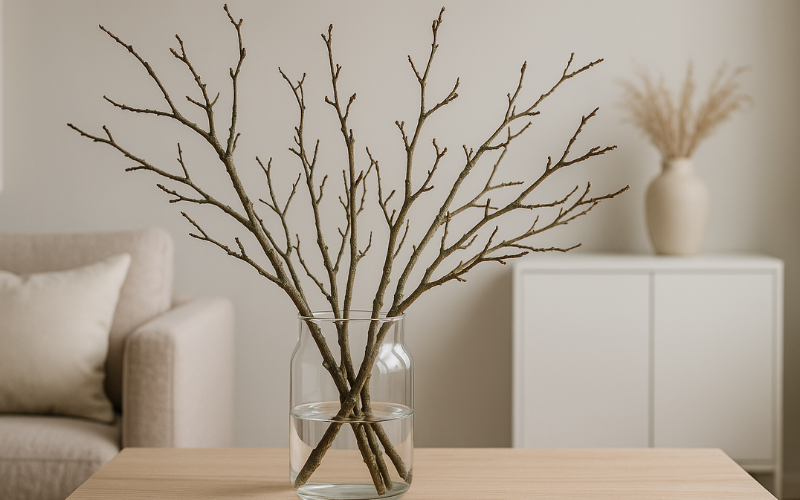
Today, pyntekvister have moved beyond tradition. They’re now a staple in modern interior design because they offer minimal effort but maximum visual impact. You can place a few branches in a vase, and suddenly the room feels intentional. Here’s the thing. Unlike flowers that wilt quickly, these branches can look great for weeks or even months depending on the type you choose.
A lot of people use pyntekvister to complement popular styles such as Nordic, Japandi, rustic, modern neutral, or boho interiors. They work especially well in homes that focus on natural light, simple forms, and neutral colors. You can combine them with ceramics, glass, natural textiles, or stone to create a balanced look.
Types of Pyntekvister and Their Key Benefits
There are a few different types of pyntekvister, each with its own purpose and personality. Natural fresh branches are great if you want something organic and alive. They bring a sense of movement and unpredictability because no two branches look the same. The downside is they don’t last long. You may need to replace them after a week or two.
Dried pyntekvister are a popular choice because they last a long time and don’t require watering or constant attention. You can buy them ready-made or find branches outside and dry them yourself. Dried branches often have muted tones that fit well with minimalist decor. If you like earthy, calm spaces, they’re perfect.
Artificial branches are improving fast. Some brands produce high quality pieces that look realistic and don’t feel plastic. They’re a smart choice if you want consistent results without maintenance. Then you have LED pyntekvister. These have tiny lights built into the branches and work well for cozy corners, winter themes, and outdoor gatherings. The best part is they add mood and style without using traditional lamps or candles.
How to Choose Pyntekvister That Match Your Space
Choosing pyntekvister isn’t complicated. Start by thinking about height. Tall branches work well in big rooms or empty corners because they draw the eye upward. Short branches fit small tables, shelves, or bathrooms. Here’s a tip. Don’t let the branches overpower the vase. The vase should feel like part of the composition, not a separate object.
Color also matters. Natural wood creates a calm vibe while painted branches can add contrast or personality. White or black branches can look bold in modern homes, while natural browns soften spaces. If your interior has lots of neutral tones, adding small pops of color through berries or leaves can make a difference without feeling loud.
Containers play a huge role in how pyntekvister look. A wide heavy vase holds tall branches better and prevents tipping. Narrow vases can work for delicate branches with thin stems. People often make the mistake of stuffing too many branches together. One or two well positioned pieces usually look cleaner than a crowded bunch.
Sustainable and Safe Sourcing of Pyntekvister
Sustainability has become a major priority in interior design. With pyntekvister, it’s easy to be eco friendly without much effort. If you want to collect branches yourself, focus on fallen pieces instead of cutting living trees. This helps preserve ecosystems while still giving you great material.
Here’s the thing. Some branches may be legally protected in certain regions, so it’s smart to be aware of local regulations. If you’re unsure, play it safe and buy from shops that use responsibly sourced or recycled materials. Dried branches can be reused for years if you handle them gently. This actually makes them more sustainable than fresh flowers or plants that need to be replaced frequently.
Many people overlook safety. Branches with sharp edges, sap, or insects can cause problems indoors. If you’re collecting outdoors, clean the branches thoroughly, sand rough surfaces, and check for pests. It takes a little time but makes your home safer and cleaner.
Styling Pyntekvister in Different Rooms
You can use pyntekvister in almost any room. In living rooms, tall branches look great in floor vases placed next to sofas or fireplaces. They add height without blocking light or cluttering space. If you like coffee table decor, choose a small arrangement that doesn’t interrupt conversation or views.
Dining tables benefit from low arrangements. The biggest mistake people make is using decor that blocks eye contact. Think horizontal rather than vertical. In entryways, pyntekvister work well as statement pieces that welcome guests immediately. Paired with a mirror or a console table, they create a warm first impression.
Bedrooms often need a calming presence. A small vase on a nightstand or dresser can make the space feel softer. Bathrooms are another good place because branches don’t get damaged easily like fresh plants. Just make sure they’re placed where humidity won’t ruin them.
Seasonal and Holiday Pyntekvister Ideas
Pyntekvister can change with the seasons. In spring, people often use green or budding branches to symbolize growth. Pastel decorations or tiny flowers give a fresh feel. Easter decor sometimes includes feathers or small ornaments hanging from branches. Kids love decorating these.
Autumn brings warmer tones. You can use dried leaves, berries, or branches with interesting shapes. They blend well with pumpkins, candles, and wood textures. Winter is when LED branches shine. They create a warm glow and can replace or complement Christmas lights. They look beautiful in windows, hallways, or outdoor spaces.
One fun idea is to use the same branches all year but update the accessories. A little creativity goes a long way and helps you avoid buying new decor every season.
DIY Pyntekvister Projects for Personalized Decor
Making your own pyntekvister is easier than it sounds. You can collect branches, trim them, and spray paint them in colors that match your home. White, gold, or matte black are popular choices because they blend with most styles. If you want something playful, try adding tiny handmade ornaments.
Guess what. DIY doesn’t have to look cheap. If you combine a nice vase with a few well chosen branches, the result can look like something from an upscale interior store. People also create wall installations using slim branches attached with removable hooks. These look artistic without feeling complicated.
If you want a quick and simple project, fill a clear vase with stones or sand and place a few branches inside. It’s low cost and works in almost any room. Kids can help with painting or decorating branches which makes it a great weekend activity.
Conclusion
Pyntekvister are one of those decor elements that prove simplicity can be powerful. They add shape, texture, and personality without demanding attention or maintenance. Whether you prefer natural branches, dried ones, or LED versions, there’s always a way to make them work in your home.
The best part is pyntekvister don’t belong to any specific design style. They fit modern interiors, rustic cottages, minimal apartments, and everything in between. You can use them seasonally, as statement pieces, or as small accents that complete a room.
If you’re interested in refreshing your space without breaking the bank, pyntekvister are a great place to start. Try different shapes, heights, and colors. Experiment. Make mistakes. Styling your home should feel fun, not stressful.
FAQs
1. What does the word pyntekvister mean in home decor
It refers to decorative branches used to style interiors in a natural and minimal way.
2. Are natural or artificial pyntekvister better for everyday styling
Natural branches look more organic, but artificial ones last longer and require no upkeep.
3. How can I safely use LED pyntekvister indoors or outdoors
Check that the product is rated for indoor or outdoor use and keep electrical parts away from moisture.
4. What are the best ways to style pyntekvister in a small room
Use shorter branches in narrow vases and avoid cluttering shelves or tables. One piece is often enough.
5. How do I clean and store pyntekvister so they last longer
Dust them gently, keep them in a dry space, and avoid placing heavy objects on top.
