
Introduction
Koriandri, also known as coriander, is a popular herb with a unique flavor that plays a significant role in cuisines around the world. Its seeds and fresh leaves are used in various dishes, providing an aromatic kick to everything from curries to salads. But koriandri isn’t just celebrated for its taste—it has a rich history and a variety of health benefits that make it a valuable addition to your kitchen and wellness routine. In this guide, we’ll explore everything you need to know about koriandri: what it is, how to use it, its potential health benefits, and more.
What is Koriandri?
Understanding the Basics
Koriandri, also known as coriander, is a versatile herb that is used in kitchens worldwide. Botanically, it is a member of the Apiaceae family, and its scientific name is Coriandrum sativum. The plant grows to about 2 feet tall and produces delicate, feathery leaves with a distinctive aroma. Both the leaves and the seeds of koriandri are used in culinary applications, making it a two-in-one herb. The leaves are often used fresh, while the seeds, once dried, are ground into a spice. Koriandri is native to regions of Southern Europe, North Africa, and Asia, and it thrives in warm climates.
Koriandri vs. Cilantro: What’s the Difference?
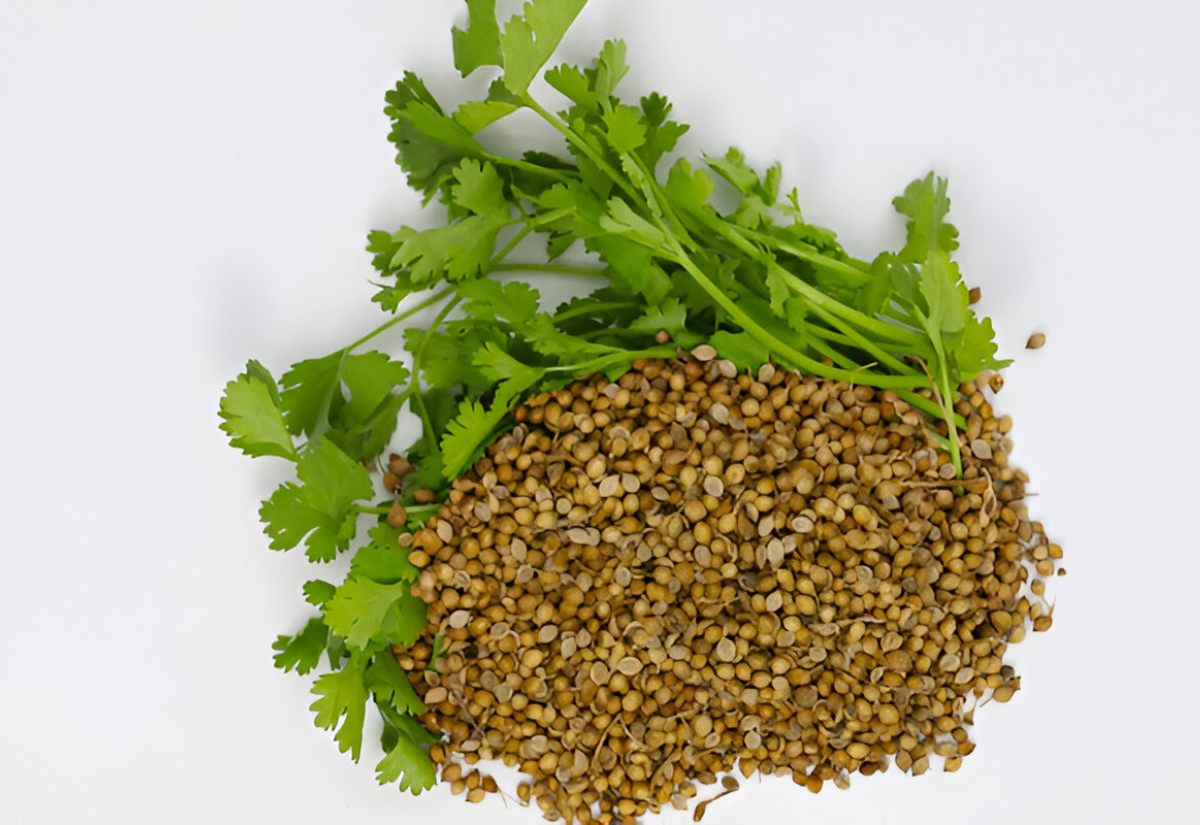
While koriandri and cilantro are often used interchangeably, there’s actually a distinction between the two. The term “cilantro” is used to refer specifically to the fresh leaves of the coriander plant, while “koriandri” generally refers to the dried seeds. In many countries, especially in the U.S., cilantro is commonly used for the leaves, and coriander is used for the seeds. However, in other parts of the world, particularly in Europe and Asia, the word “coriander” can refer to the entire plant—both the leaves and seeds. It’s important to know the difference, especially when following recipes from different cultures.
Culinary Uses of Koriandri
How Koriandri Seeds Are Used in Cooking
Koriandri seeds are a staple in many spice blends, contributing a warm, slightly citrusy flavor to a wide range of dishes. In Indian cuisine, they are a key ingredient in curry powders, garam masala, and other spice mixes. The seeds are often toasted or ground to release their essential oils and enhance their aroma. Koriandri seeds are also used in Middle Eastern and Mediterranean cuisines, adding depth to dishes like hummus, falafel, and stews. When added to meats or roasted vegetables, they bring out rich, earthy flavors. Additionally, koriandri seeds are used in pickling spices, providing a zesty bite to preserved vegetables.
Koriandri Leaves in Fresh Dishes
The fresh leaves of koriandri are incredibly versatile, adding a refreshing, slightly tangy flavor to many dishes. In Latin American cuisine, they are a key component of salsas, guacamole, and tacos. The leaves are often chopped and sprinkled over salads, soups, and stir-fries, enhancing both the flavor and visual appeal of the dish. Koriandri leaves also make a great garnish for dishes like rice pilafs and grilled meats, bringing a burst of color and flavor. Additionally, they can be blended into sauces and dressings, offering a fresh, herbal note that complements creamy or tangy ingredients.
Health Benefits of Koriandri
Nutritional Profile of Koriandri
Koriandri is not just a flavorful herb; it also packs a nutritional punch. The leaves and seeds of koriandri are rich in several vitamins and minerals, making it a valuable addition to a healthy diet. Koriandri leaves are an excellent source of vitamin C, which supports the immune system and skin health. They also contain small amounts of vitamins A and K, as well as folate, calcium, and potassium. The seeds are rich in dietary fiber, antioxidants, and essential oils, including linalool, which contribute to its health-promoting properties. Including koriandri in your diet can provide essential nutrients while enhancing the flavor of your meals.
Medicinal Properties of Koriandri
Beyond its culinary uses, koriandri has been recognized for its potential medicinal benefits for centuries. Koriandri is known for its digestive benefits, helping to soothe an upset stomach and promote healthy digestion. The seeds contain compounds that may aid in relieving indigestion, bloating, and gas. Additionally, koriandri has anti-inflammatory properties, which may help reduce inflammation in the body and provide relief from conditions like arthritis. It is also believed to support detoxification by helping to eliminate toxins from the body, particularly heavy metals. Some studies suggest that koriandri may even help regulate blood sugar levels, making it beneficial for people managing diabetes.
Growing and Harvesting Koriandri
Tips for Growing Koriandri in Your Garden
Growing koriandri at home is a rewarding experience, especially for those who love fresh herbs in their cooking. Koriandri thrives in well-drained, light, and slightly sandy soil. It prefers a sunny spot but can tolerate some light shade, especially in hotter climates. The ideal temperature for growing koriandri is between 50°F and 85°F (10°C to 29°C). Be sure to keep the soil moist but not waterlogged, as koriandri does not like to sit in stagnant water. To encourage strong growth, you can start seeds directly in the garden or plant them in pots if you have limited space. Since koriandri tends to bolt (flower and go to seed) quickly in warm weather, planting it in cooler seasons or in partial shade can help prolong its growing period.
When and How to Harvest Koriandri
The best time to harvest koriandri is when the plant has reached a height of around 6 to 8 inches and has fully developed its leaves or seeds. For fresh leaves, cut them when they are vibrant and tender, ideally before the plant begins to flower. Harvesting early in the morning, after the dew has dried, helps preserve the freshness and flavor of the leaves. If you’re harvesting seeds, wait until the plant has produced small, round seed pods, and the leaves have started to turn brown. Gently shake or snip the dried seeds from the plant and store them in an airtight container. To preserve fresh koriandri leaves, you can store them in the refrigerator in a damp paper towel or freeze them for later use.
Koriandri in Traditional and Modern Medicine
Historical Uses of Koriandri in Medicine
Koriandri has a long history of medicinal use dating back to ancient civilizations. In traditional Ayurvedic and Chinese medicine, both the seeds and leaves of koriandri were used to treat a variety of ailments. The seeds were often ground into a powder and used as a remedy for digestive issues, such as indigestion and bloating. They were also believed to have antimicrobial properties, helping to fight infections and promote healing. Koriandri was also used in ancient Egypt, where it was considered a symbol of immortality, and was applied to soothe the digestive system and treat skin conditions. The herb’s calming effects were recognized in various cultures, where it was used to ease anxiety and improve overall well-being.
Modern Applications in Holistic Health
In contemporary holistic health practices, koriandri continues to be valued for its therapeutic properties. Many people turn to koriandri in its essential oil or dried form as a natural remedy for a range of conditions. The oil is often used in aromatherapy for its calming and relaxing effects, helping to reduce stress and improve mental clarity. In modern herbal medicine, koriandri is used to support digestion, ease bloating, and detoxify the body by helping to eliminate toxins and heavy metals. Additionally, some natural health practitioners use koriandri to support blood sugar regulation, making it a useful herb for those managing diabetes. Koriandri’s gentle anti-inflammatory properties also make it a popular choice for those looking for relief from joint pain or skin inflammation.
Conclusion
Koriandri is a truly versatile herb that offers much more than just flavor. Whether you use the fresh leaves in your salads or incorporate the seeds into your spice blends, koriandri brings a unique and vibrant touch to your cooking. Beyond its culinary uses, koriandri’s health benefits—ranging from aiding digestion to supporting detoxification—make it a valuable addition to your wellness routine. Whether you’re growing it at home or seeking out its medicinal properties, koriandri continues to be a cherished herb in both traditional and modern practices. So next time you reach for that handful of fresh leaves or sprinkle of seeds, remember that you’re enjoying more than just a flavorful ingredient—you’re embracing a centuries-old tradition of health and nourishment.
FAQ
1. What is the difference between koriandri seeds and cilantro leaves?
Koriandri seeds are the dried fruit of the plant, used as a spice, while cilantro leaves are the fresh, green leaves used as a herb in dishes.
2. Can koriandri help with digestive issues?
Yes, koriandri seeds can help relieve indigestion, bloating, and gas due to their carminative properties.
3. How do I store koriandri to keep it fresh for longer?
Store fresh leaves in a damp paper towel in the fridge or in water like a bouquet. Dried seeds should be kept in an airtight container in a cool, dark place.
4. Is koriandri safe for everyone to consume, including people with allergies?
Koriandri is safe for most, but those allergic to plants in the Apiaceae family may experience reactions. Consult a doctor if unsure.
