
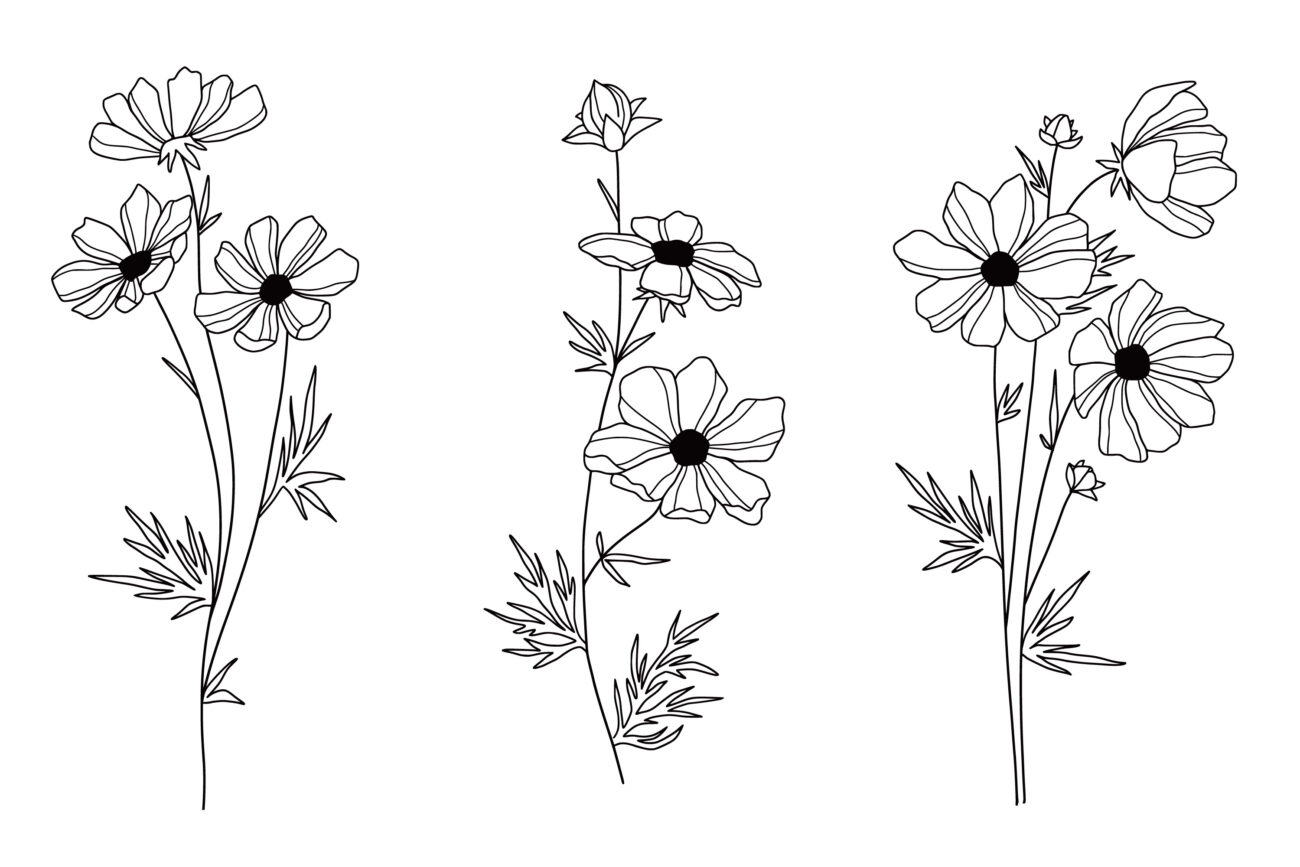
Flower drawing is one of the most inviting and accessible art forms for anyone who enjoys creating beauty on paper. Simply put, it’s the practice of sketching or painting flowers — capturing their shapes, patterns, and delicate details with pencil, pen, or color. Whether you’re a beginner exploring your artistic side, a hobbyist looking to relax after a long day, or a more experienced artist deepening your skills, drawing flowers offers something valuable for everyone.
Beyond the artistic element, flower drawing is also wonderfully calming. Sitting down with a blank page and a simple flower encourages mindfulness — it slows your thoughts, sharpens your observation skills, and helps you rediscover the quiet joy of creating by hand.
In this guide, we’ll explore everything you need to know to start and grow your flower drawing practice. From choosing materials to studying real flowers, adding shading and color, and ultimately finding your artistic voice, you’ll learn how to approach this art form with confidence and creativity.
Getting Started with Flower Drawing
Before you draw your first petal, it helps to be prepared with the right tools. You don’t need expensive supplies to begin, but quality basics make the process enjoyable. A smooth sketchbook gives you space to experiment; HB to 4B pencils offer a range of line weights and shading options; and a soft eraser helps refine shapes easily. If you want to add color later, colored pencils or light watercolor washes can bring your flowers to life without overpowering the drawing.
Choose a comfortable spot to work — preferably with good natural light. Many artists like to keep their reference flowers close by, along with a bit of space for tea or coffee. A quiet, relaxed environment can make a surprising difference in how easily your creativity flows. Remember, flower drawing isn’t about rushing; it’s about observing, enjoying the process, and allowing your hand to capture what your eyes see.
Observing Real Flowers for Artistic Inspiration
Observation is the secret heart of good flower drawing. Before touching your pencil to paper, spend a moment simply studying the flower you plan to draw. Notice how its shapes flow — the way petals curve, overlap, or twist slightly toward the light. Look for patterns, symmetry, and variation: no two flowers are ever identical, even within the same species.
The textures are equally important. Some petals are smooth and delicate; others have fine veins or ridges that catch light differently. As you learn to recognize these elements, your sketches begin to feel much more realistic and expressive. Observing flowers closely also fuels creativity — it encourages you to draw from nature’s design while gradually developing your artistic interpretation of it.
Step-by-Step Basics of Drawing Flowers
When starting your first flower drawing, keep it simple. Begin with light, loose lines to outline the overall shape — a circle or oval often helps position the bloom. Then, lightly mark where the petals will go, paying attention to how they radiate from the center. Accuracy develops through gentle adjustments; there’s no need for perfection in the first draft.
Once the basic form is sketched, start refining it with more definite lines. Add the details that make the flower distinct — perhaps the crinkle of a petal’s edge, the tilt of a bud, or the slight bend of a stem. Gradually build layers of shading to suggest depth. Gentle pencil pressure can create soft transitions between light and dark areas. The key is to create volume without making the flower look rigid. Let your hand move naturally; treat the page as a space for exploration rather than an exam.
As your confidence grows, your ability to draw from both memory and imagination will also improve. Every sketch teaches you something new about structure, proportion, and tone.
Practicing with Different Types of Flowers
Practice is what transforms a casual sketcher into a skilled flower artist. Starting with simpler flowers helps you grasp basic shapes before tackling more intricate blooms. Daisies, tulips, or sunflowers are wonderful for beginners because they feature clear, recognizable forms. Their open shapes make them ideal for learning how petals fan out and how light falls across the surface.
As you progress, try more complex varieties such as roses, lilies, or orchids. These flowers introduce challenges like overlapping petals and rich textures, teaching you how to balance precision with expression. Keep a small collection of flower images or actual specimens nearby. You’ll start noticing how similar patterns — like spirals or radial symmetry — appear across different species, which will strengthen your understanding of botanical structure in your drawings.
Adding Life with Shading and Color
Shading is where your flower drawing truly comes alive. Through careful control of value — the range between light and dark — you can convey form, depth, and softness. Begin by locating the light source in your composition. Shade the areas that fall away from the light and gently blend transitions for a natural effect. Avoid harsh lines between shadows unless you want a more stylized look.
Introducing color adds another layer of expression. Colored pencils or water-based mediums let you enhance realism or develop a dreamy, artistic tone. When adding color, think about the personality of each flower. A rose might look romantic in soft reds, while a daisy feels cheerful in bright yellows and whites. Blending lightly over your pencil drawing creates harmony between line and hue. Remember: subtlety often achieves the most believable result.
Common Mistakes in Flower Drawing and How to Fix Them
Even experienced artists encounter hurdles in flower drawing. One of the most frequent issues is proportion — petals sometimes end up unevenly spaced or overly large compared to the center. To fix this, lightly block in the flower’s overall shape before committing to final lines. Another common mistake is pressing too hard too early, which can make the drawing difficult to refine later. Keeping your sketch light and flexible until the end allows for better adjustments.
Over-detailing is another trap. While it’s tempting to trace every vein on a petal, too much detail can stiffen the composition. Instead, suggest texture with simple line variations and subtle shading. Most importantly, treat mistakes as part of the learning experience. Each correction builds your eye for balance and repetition. Progress in art rarely happens in straight lines — more often, it blooms gradually, petal by petal.
Finding Your Style Through Flower Drawing
As you become more comfortable with flower drawing, you’ll naturally develop a personal style. Some artists lean toward clean, realistic renderings; others prefer expressive, loose sketches that capture the energy rather than the exact detail of a bloom. Both approaches are valid — what matters is authenticity.
Experiment with different tools and techniques until something feels “yours.” Try ink pens for precision, soft charcoal for drama, or mixed media for layered effects. Developing your style also means learning when to stop a drawing — recognizing the moment when it feels balanced and true to your vision. Flower drawing is less about rules and more about rhythm, patience, and personal interpretation.
Conclusion: Growing Your Skills, One Bloom at a Time
Flower drawing isn’t merely about making beautiful pictures; it’s an ongoing practice in mindfulness, observation, and creative growth. With each sketch, you become a little more attuned to nature’s design and your own artistic instincts. The patience you invest in observing, shaping, and shading mirrors the process of real flowers unfolding in time — slow, steady, and quietly rewarding.
Keep sketching regularly, even for a few minutes a day. Different flowers, new materials, and diverse perspectives will continuously refresh your creativity. Remember, every artist — no matter how skilled — began with a single petal on a blank page. As you keep drawing, your confidence will grow, your hand will steady, and your drawings will blossom in character and beauty. That’s the true art of flower drawing: simple, soothing, and endlessly full of possibility.
