
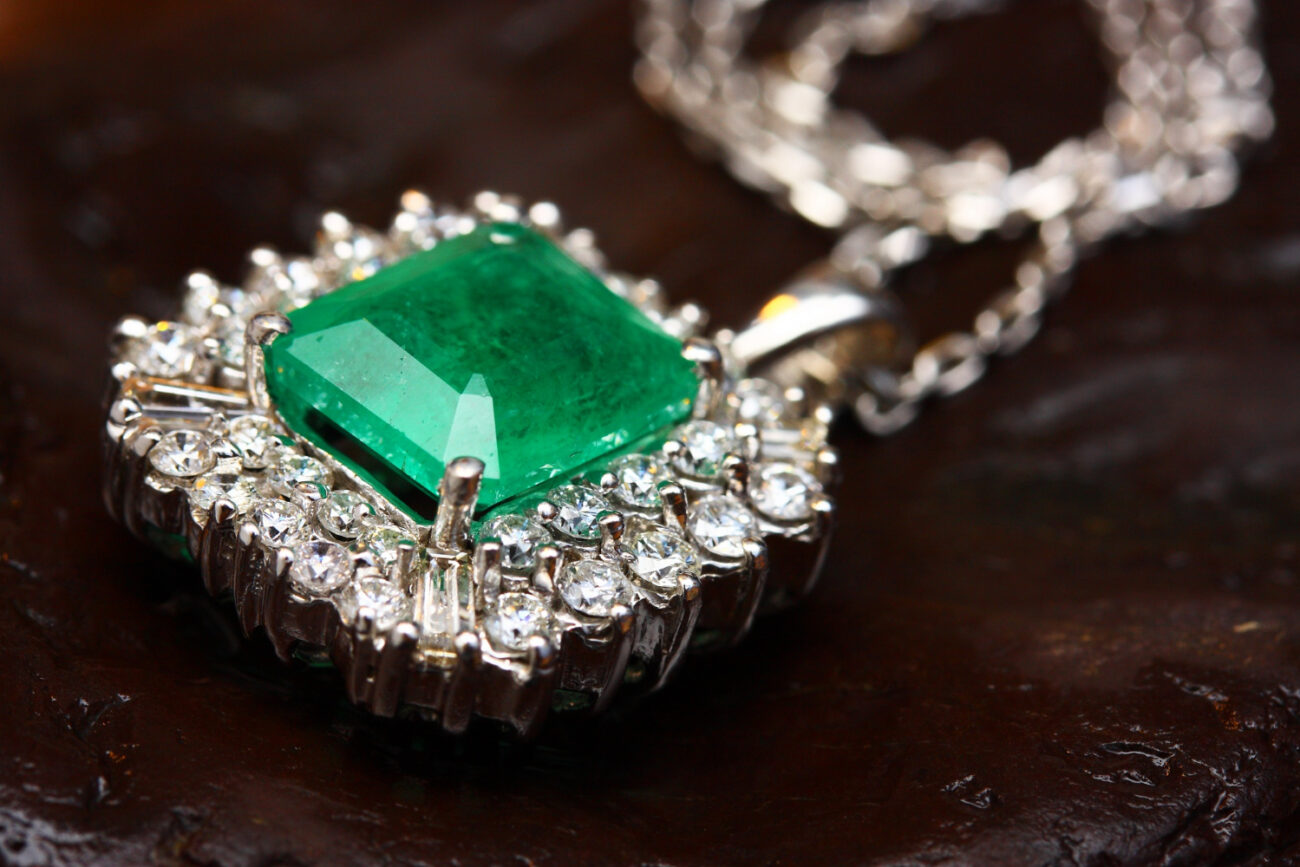
For thousands of years, the jade necklace has been admired as more than just an accessory. It is a symbol of beauty, harmony, and strength — a gemstone deeply woven into the history of many cultures. Jade, often recognized by its soothing green hue, stands apart from other gems because of its balance between elegance and spiritual meaning.
Jade is not a single mineral but a collective name for two naturally occurring stones: jadeite and nephrite. Both are valued for their durability, smooth texture, and captivating colors that range from translucent green to milky white, lavender, yellow, and even black. Across Asia, Central America, and regions beyond, jade has always signified purity, prosperity, and protection.
Today, a jade necklace remains a beloved piece of jewelry that bridges ancient tradition with modern style. In this guide, we’ll explore how jade has captured human fascination for centuries, learn about its various types, understand what influences its value, and discover how to choose and care for the perfect jade necklace.
The Enduring Allure of Jade Throughout History
Jade’s story stretches as far back as human civilization itself. In ancient China, jade was not only treasured for its aesthetic charm but also revered as a sacred stone representing moral integrity, balance, and virtue. Emperors were buried with jade ornaments, believing the stone could guard their spirits in the afterlife. Intricately carved jade pendants often symbolized good fortune and harmony within families.
Beyond China, jade held deep meaning in other parts of the world. The Māori people of New Zealand carved nephrite jade, known locally as pounamu, into heirloom necklaces and talismans that carried ancestral strength. The ancient Maya and Aztec civilizations of Central America viewed jade as more precious than gold, associating it with divine energy and life itself.
Across all these cultures, the jade necklace became a wearable emblem of heritage, wisdom, and connection to nature. It embodied emotional calmness, resilience, and spiritual balance — qualities that make the stone timeless even in today’s world of fast-changing fashion.
Types of Jade Used in Necklaces
Not all jade is the same, and understanding the different types helps you appreciate the diversity and beauty behind each jade necklace.
- Jadeite Jade is the rarer and more valuable variety. Known for its stunning translucence and vivid colors, jadeite can range from deep emerald green to lavender, white, or rose tones. The finest green jadeite, often called Imperial Jade, is highly sought after and admired for its rich saturation and almost glass-like glow.
- Nephrite Jade, the more common type, has been used for centuries in carvings and traditional jewelry. It’s known for its smooth, waxy texture and slightly softer appearance compared to jadeite. Nephrite jade typically appears in shades of cream, green, brown, or gray and is often favored for its warm, organic feel.
- White or “Mutton Fat” Jade is a prized form of nephrite, celebrated in Chinese culture for its soft ivory tone and silky finish. Its purity symbolizes peace and virtue.
- Lavender Jade adds a subtle charm with its delicate lilac hues, representing calmness and inner balance.
- Yellow Jade carries golden undertones and is associated with joy, intellect, and positivity, making it a cheerful and radiant choice for necklaces.
- Black Jade, bold and striking, is perfect for modern jewelry lovers who prefer something sophisticated and mysterious.
- Red or Brown Jade may be less common, but its earthy tones evoke warmth, stability, and strength — ideal qualities for those who seek grounding energy from their jewelry.
Each piece of jade tells its own story, and a jade necklace crafted from any of these varieties offers a way to express personality, culture, and intention.
Choosing the Right Jade Necklace for Your Style
A jade necklace can be deeply personal — a reflection of both fashion taste and emotional meaning. When selecting one, the first step is to consider the necklace design and setting. From minimalist pendants on sleek chains to intricate bead arrangements, jade adapts beautifully to different styles. If you enjoy understated elegance, a single jade pendant may suit you best. For bolder fashion statements, multi-stone or carved pieces add depth and uniqueness.
Color is another important consideration. The wide spectrum of jade—from soft greens and whites to rich dark tones—offers endless possibilities. Those with warm skin undertones often find yellow or darker green jade flattering, while cooler undertones pair gracefully with whites, lavenders, and icy greens.
The shape and size of the jade piece also influence its personality. Larger stones can command attention and convey power, while smaller, polished beads tend to feel subtle and classic. Think about when and where you’ll wear the necklace — an everyday jade charm might differ vastly from a ceremonial or evening design.
Ultimately, a jade necklace should resonate with your sense of beauty and comfort. Whether you wear it as a statement of luck, cultural connection, or personal style, its timeless charm remains unmatched.
Understanding the Value and Quality of a Jade Necklace
Like any precious gemstone, the value of a jade necklace depends on quality factors such as type, color, clarity, texture, and craftsmanship. Jadeite, being rarer, often commands higher prices than nephrite. The most desirable jadeite shows a rich, even color with a soft, glowing translucence.
Jade is graded on its color intensity, internal structure, and surface finish. Stones free from cracks or impurities naturally hold greater value. However, some jade varieties are treated with dyes or undergo chemical processes to enhance color. While treated jade can still be beautiful and affordable, genuine untreated jade retains the best durability and long-term worth.
An authentic jade necklace should display a balanced polish and secure setting. Craftsmanship matters — the way the jade is cut and mounted can highlight or diminish its inherent beauty. Buying from trusted jewelers or certified sellers adds security, especially when investing in higher-grade jade pieces.
A simple rule of thumb: if the color looks perfectly uniform and the price seems too low, apply cautious curiosity. Real jade, especially jadeite, is rarely flawless and usually priced accordingly.
Caring for and Maintaining Your Jade Necklace
A well-cared-for jade necklace can last for generations, maintaining its smooth finish and serene color. The gemstone, though sturdy, still deserves gentle handling. Wipe your jade necklace regularly with a soft, damp cloth to remove surface oils and dust. Avoid harsh cleaners or chemical jewelry solutions, as jade can be sensitive to strong substances.
When storing, keep your jade necklace in its own compartment or a soft pouch to prevent scratching against harder gemstones or metals. Also, try not to expose jade to extreme heat, as temperature fluctuations can affect its luster over time.
For deeper cleaning or restringing bead necklaces, it’s best to consult a professional jeweler familiar with jade. This ensures your piece remains intact and beautifully preserved. With proper care, your jade necklace will keep shining as a symbol of calm and continuity through years of wear.
The Modern Appeal of Jade in Contemporary Jewelry Design
While jade has ancient roots, it continues to thrive in today’s fashion scene. Modern designers are breathing new life into this traditional gemstone, experimenting with creative cuts, minimalist settings, and avant-garde design concepts.
Contemporary jade necklaces blend tradition and innovation — think geometric pendants, gold-accented designs, or jade paired with diamonds or pearls for added elegance. These pieces allow wearers to celebrate heritage while embracing current trends.
Ethical and sustainable sourcing has also become a priority. Consumers increasingly appreciate transparency about where their jade originates, and responsible mining practices ensure that beauty does not come at the cost of the environment or workers’ well-being.
This new awareness makes the jade necklace more than an ornament; it becomes a meaningful statement about mindfulness, culture, and care for the planet. Blending the old and the new, jade continues to capture hearts in every era, proving that true elegance never fades.
Conclusion: Why a Jade Necklace Remains a Symbol of Grace and Strength?
From ancient empires to contemporary fashion studios, the jade necklace has held a unique place in human history. It carries layers of meaning — prosperity, peace, balance, and the resilience of the human spirit. Its charm lies in its versatility: simple yet powerful, traditional yet adaptable, spiritual yet stylish.
Jade continues to invite admiration for its natural radiance and emotional depth. Wearing a jade necklace connects the past with the present — an unbroken thread linking personal expression with timeless artistry. Whether chosen for its beauty, symbolism, or sentiment, the jade necklace endures as one of the most cherished and graceful forms of jewelry in the world.
