
Introduction
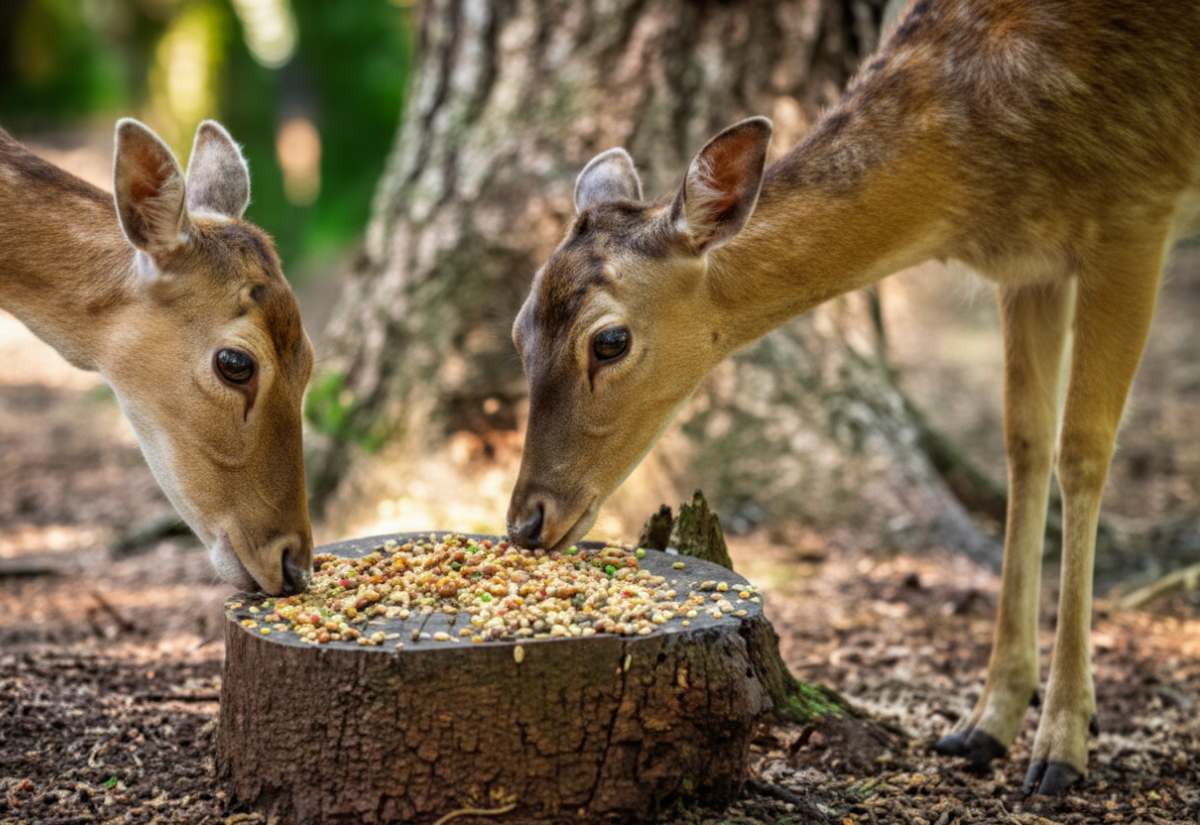
Deer are graceful animals that depend on a steady source of food to stay healthy and thrive in the wild. While they naturally forage for plants, nuts, and grasses, many landowners, hunters, and wildlife enthusiasts provide supplemental deer feed to support their nutrition — especially during seasons when natural forage is scarce. Choosing the right type of feed and using it responsibly can make a big difference in deer health, herd behavior, and even local ecosystems.
Understanding Deer Feed and Its Role in Wildlife Care
Deer feed refers to any type of supplemental food provided to deer in addition to what they naturally forage in the wild. In their natural habitat, deer survive on grasses, leaves, fruits, nuts, and shrubs. However, seasonal changes, habitat loss, and environmental pressures can make it difficult for deer to find enough nutrition year-round. This is where deer feed plays an important role.
By offering supplemental feed, landowners and wildlife managers can help deer maintain healthy body weight, improve antler growth in bucks, and support fawns during crucial development stages. Proper feeding also reduces competition for scarce food sources, helping herds remain balanced and resilient.
At the same time, responsible feeding practices are important. Overfeeding or using the wrong type of feed can create health issues, disrupt natural foraging behavior, or even cause deer to become too dependent on human-provided food. When used thoughtfully, deer feed becomes a valuable tool in wildlife care, blending nutrition with conservation.
Types of Deer Feed and Their Benefits
Deer can thrive on a variety of foods, but not every option provides the same level of nutrition or long-term benefit. Understanding the different types of deer feed helps ensure healthier herds and more sustainable wildlife care.
Natural Forage vs. Supplemental Feed
In the wild, deer rely on what the land provides — grasses, leaves, berries, nuts, and agricultural crops like soybeans or corn. This natural forage is ideal, but it often changes with the seasons. During winter or dry months, food may become scarce, which is when supplemental feed becomes important. Supplemental feed can include pellets, grain mixes, or specially formulated blends designed to deliver balanced nutrition.
Commercial Deer Feed Blends
Specialized deer feed products are created to support growth, energy, and overall herd health. These blends often combine protein sources, fiber, vitamins, and minerals that may not be available consistently in natural forage. For example, high-protein feed can promote antler development, while mineral mixes help improve digestion and bone strength. When chosen carefully, commercial feeds can complement natural diets without replacing them entirely.
Key Nutrients Deer Need for Health and Growth
Just like people, deer require a balanced diet to stay strong and healthy. While they can survive on basic forage, certain nutrients are essential for proper development, reproduction, and long-term survival. Knowing which nutrients matter most can help you choose the right deer feed.
Protein
Protein is one of the most important nutrients for deer, especially during spring and summer. Bucks use protein to grow antlers, while does need it for milk production during fawning season. Young deer also depend on protein for muscle development and overall growth. Ideally, supplemental feed should contain at least 16–20% protein.
Carbohydrates and Energy Sources
Deer burn a lot of energy, particularly in cold weather or during the rut when bucks are highly active. Carbohydrates from grains and natural plants provide the fuel they need to keep moving, maintain body weight, and store fat for winter survival.
Vitamins and Minerals
Minerals like calcium and phosphorus are critical for strong bones and antler growth. Trace minerals such as zinc, copper, and magnesium support digestion, immune health, and reproductive success. Vitamins A, D, and E also play a role in healthy vision, metabolism, and disease resistance.
Fiber
Deer are ruminants, which means they need fiber to aid digestion. Roughage from natural forage, hay, or high-fiber commercial blends helps their stomachs break down food efficiently and absorb nutrients.
Choosing the Right Deer Feed for Different Seasons
Deer have changing nutritional needs throughout the year, and the type of feed you provide should match the season. Supplying the right food at the right time supports herd health, improves survival rates, and helps deer remain strong during stressful periods.
Spring and Summer
This is the growth season. Bucks are developing antlers, does are nursing fawns, and young deer are putting on weight. High-protein feeds (16–20%) are especially valuable during this time to support muscle growth, milk production, and antler development. Supplemental minerals like calcium and phosphorus also make a difference in skeletal strength.
Fall
Autumn is a transition period when deer build fat reserves for the colder months. Feeds higher in carbohydrates and energy — such as grains and acorns — are most effective. They help deer store body fat, which is crucial for surviving winter and the rut.
Winter
When natural food is scarce, deer rely heavily on supplemental feeding. A mix of fiber and energy-rich carbohydrates is important to keep them warm and maintain body condition. However, sudden changes in diet should be avoided, since deer can struggle to digest new feeds if introduced too quickly. Slow, steady feeding is safest.
Safe Feeding Practices to Support Healthy Herds
Feeding deer can be rewarding, but it must be done carefully to protect both the animals and the environment. Poor feeding practices can harm deer health, disrupt natural behaviors, or even create safety risks. Following a few safe guidelines helps ensure that supplemental feed truly benefits the herd.
Introduce Feed Gradually
Deer have sensitive digestive systems. Sudden changes in diet, especially from natural forage to grain-heavy feed, can cause bloating, illness, or even death. The best approach is to introduce supplemental feed slowly, mixing it with natural forage so deer adjust over time.
Avoid Overfeeding
While it may be tempting to put out large amounts of feed, too much can attract predators, increase disease spread, or cause deer to rely too heavily on human-provided food. Smaller, controlled feeding sites spread out across an area are safer than one large feeding spot.
Keep Feed Clean and Fresh
Rotten or moldy feed can make deer sick. Always store feed in dry containers and check regularly for spoilage. Feeding areas should also be rotated to prevent buildup of waste and bacteria that could spread illness through the herd.
Respect Local Laws and Regulations
In many regions, wildlife agencies regulate when and how deer can be fed. These rules are designed to protect both deer and ecosystems, so it’s important to know and follow them before setting out feed.
Common Mistakes to Avoid When Providing Deer Feed
Even with good intentions, it’s easy to make mistakes when offering supplemental feed to deer. Knowing what to avoid can keep herds healthier and prevent long-term problems.
Relying Only on Corn
Corn is one of the most popular deer feeds, but it’s not a complete food source. While it provides quick energy, it lacks the protein, minerals, and fiber deer need for overall health. Too much corn can even cause digestive issues.
Feeding Too Late in the Season
If supplemental feed is introduced suddenly in the middle of winter, deer may struggle to digest it properly. Their stomachs adapt slowly, so waiting until food is already scarce can do more harm than good. Gradual feeding, started before harsh conditions, is safer.
Creating Overcrowded Feeding Sites
Placing too much feed in one spot can cause deer to gather in unnaturally large groups. This increases stress, spreads disease, and makes them more vulnerable to predators. Spreading smaller amounts across several locations is a healthier approach.
Ignoring Local Regulations
Some regions restrict or even ban deer feeding to protect ecosystems and reduce the risk of disease. Ignoring these laws can lead to fines — and potentially harm the very animals you’re trying to help. Always check your state or local rules first.
How to Store and Manage Deer Feed Properly
Proper storage and handling of deer feed are just as important as choosing the right type. If feed spoils or becomes contaminated, it can harm deer instead of helping them. A few simple practices can make sure the feed stays fresh, safe, and effective.
Keep Feed Dry and Protected
Moisture is the biggest enemy of stored feed. When grains or pellets get wet, they can develop mold that may sicken deer. Store feed in sealed containers or bins, and keep them off the ground in a cool, dry place.
Rotate Stock Regularly
Buying feed in bulk can save money, but it should be used in order of purchase. Always finish older feed before opening a new bag to prevent spoilage. Checking expiration dates helps ensure freshness.
Prevent Contamination
Rodents, insects, and other pests are often drawn to stored deer feed. Using sealed containers not only keeps feed fresh but also prevents contamination from droppings or nesting materials that could spread disease.
Avoid Overfilling Feeding Areas
Placing out more feed than deer can eat in a short time can cause it to spoil on the ground. Instead, supply smaller amounts more frequently, and clean up any leftovers before adding new feed.
Conclusion
Feeding deer can be a valuable way to support wildlife, but it works best when done with care and responsibility. By understanding the role of deer feed, choosing the right types for each season, and following safe practices, you can help herds stay healthy and resilient. Proper storage and mindful management ensure that feed remains safe and effective, while avoiding common mistakes protects both the animals and their habitat.
FAQs
1. What is the best deer feed for attracting deer naturally?
Deer are naturally drawn to foods they already recognize, such as acorns, apples, and native plants. However, high-quality commercial blends with grains and protein can also be effective when introduced gradually. The best approach is to combine supplemental feed with natural forage so deer feel comfortable and continue to eat a varied diet.
2. Can deer eat corn safely every day?
While corn is a common choice, it should not be the main food source for deer. Corn is high in carbohydrates but low in protein and essential minerals. Feeding it daily in large amounts can upset their digestive system. It’s better used in moderation, alongside a balanced diet that includes protein-rich feeds and natural browse.
3. How much deer feed should I put out at one time?
Smaller, controlled amounts are best. Putting out too much at once can lead to waste, spoilage, or overcrowding at feeding sites. A steady, moderate supply spread across several areas keeps herds healthier and reduces competition, while also preventing dependency on human-provided feed.
4. Is homemade deer feed better than store-bought options?
Homemade mixes can be useful if they’re balanced with grains, protein sources, and minerals. However, store-bought feeds are often specially formulated to meet deer’s nutritional needs more consistently. The right choice depends on your resources, but whichever option you use, the goal should be a balanced diet that supports deer health year-round.
